
Why a paper card gets ignored before the referral even starts
A catering owner in Commack once told me her best lead came from a napkin note, not a card. That says a lot. Paper cards look official, but they also disappear fast. If you are frustrated by that, you are in good company. The real problem is not the card itself; it is what happens after the handshake ends.
How a smudged paper card gets lost in a busy follow-up pile
A paper card can bend, fade, or get tossed into a crowded desk drawer. Ink rubs off. Corners curl. Then your business card details become hard to read, and the follow-up stalls. We hear this from people who leave mixers with ten cards and remember three names. That is not a memory problem. It is a systems problem.
Here is the part most people miss. A paper card competes with receipts, notebooks, and a hundred small distractions. Even a strong business card design cannot stay visible forever. A digital business card changes that by keeping your online business card ready in a phone, inbox, or contact sheet. That makes the referral path much smoother.
Why a digital business card stays visible after the handshake ends
A digital business card does not sit in a pile. It stays accessible after the meeting, which matters when someone wants to pass your name along later. That is the quiet power of a virtual business card. It keeps your contact information in one place and makes sharing simple. For many small business owners, that alone changes the outcome.
We have seen this on Long Island, New York, at busy networking breakfasts and after-hours meetups. People do not want friction. They want speed, clarity, and confidence. A digital business card solution for referral marketing gives you that without the paper hassle. It also supports paperless networking, which feels cleaner and more sustainable.
What small businesses in Long Island, New York notice when contacts are easier to share
Local business owners notice two things first. They notice fewer lost contacts. They also notice faster replies. When sharing is easy, referrals move sooner and feel more natural. That matters in Suffolk County and NYC, where many conversations start in one place and finish somewhere else.
One contractor I spoke with after a Hauppauge business mixer had the same complaint every owner has. He met good prospects, but follow-up lagged because cards went missing. Once he moved to an electronic business card, his contacts stayed organized. He could share contact info by link, QR code, or email. That small shift made his networking feel less fragile.
What actually makes a digital business card referral friendly
A referral-friendly card is not just digital. It is easy to send, easy to trust, and easy to act on. The best digital business cards support contactless sharing without making the recipient jump through hoops. That matters because referrals often happen in motion. Someone hears your name, glances at the card, and decides within seconds whether to forward it.
How contactless sharing keeps your name moving through a network
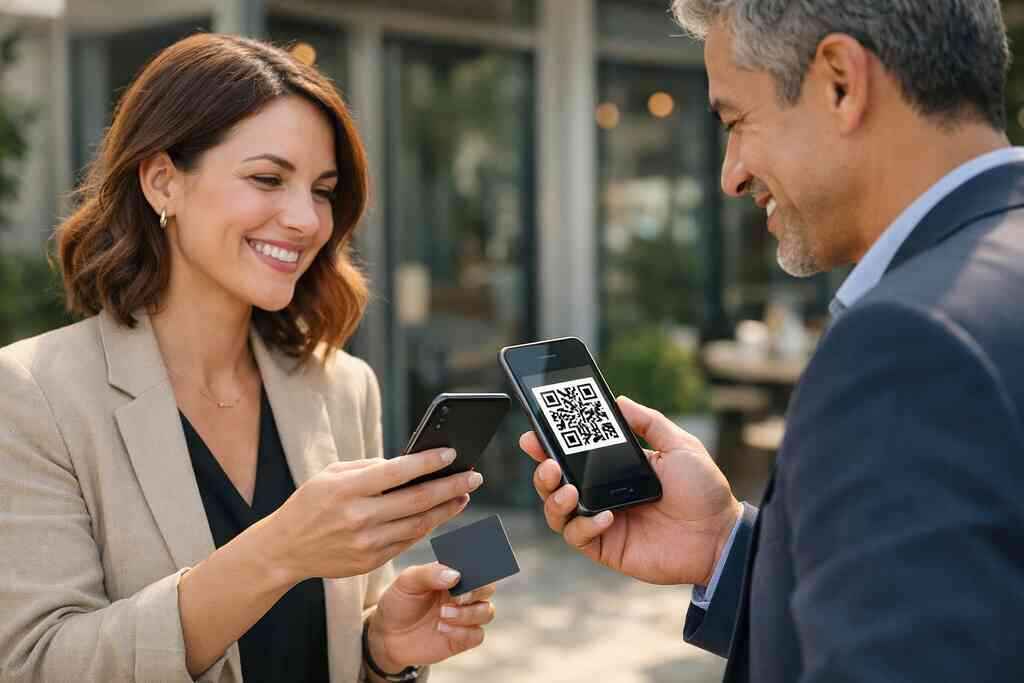
Contactless sharing removes friction from the handoff. A QR code business card lets someone scan and save you quickly. NFC business cards go one step further when tap-to-share feels more natural. Both options support electronic business card exchange without the awkward pause of manual typing. That keeps your name moving through a network instead of stopping at the first contact.
For many professionals, that is the whole point of digital business cards for networking. The share happens where the conversation happens. Someone can send your card after a meeting, during a commute, or while sitting at a desk. That flexibility helps word of mouth marketing work faster. It also gives you more chances to stay top of mind.
Why digital card design and business card template choices shape trust
Design sends a message before you ever speak again. A polished digital business card design tells people you are organized. A rushed template can do the opposite. That is why business card template choices matter so much. If the card looks generic, the referral may feel generic too.
Think about what people trust. They trust clear branding, clean spacing, and simple business card design. They trust a card that feels intentional. A smart business card template helps with that, especially when you are building digital business card templates for different services. If your work spans sales, consulting, or local service calls, the design should match the promise you make in person.
Where QR code business cards and NFC business cards each fit in real life
Both formats work, but they shine in different moments. QR code business cards are easy for nearly everyone because the phone camera already knows what to do. NFC business cards are great when a tap feels faster than a scan. In real life, the best choice depends on your audience and where you network most.
OptionBest forStrengthTradeoffQR code business cardsMixed audiencesFamiliar and quickNeeds camera accessNFC business cardsFast in-person sharingTap-to-share simplicityNot every phone user prefers tappingSmart business cardRepeat networkingEasy reuse and updatesNeeds setup disciplineIf you work around NYC commuters or at a Commack co-working space, speed matters. If you meet people at structured events, a QR flow may feel more natural. For many users, the question is not which one is better. It is which one fits the room. Apple’s Core NFC framework and the ISO 14443 standard help explain why tap-based contactless sharing has become so practical.
How lead capture and follow-up automation can support referral generation
Lead capture helps you remember who showed interest. Follow-up automation helps you respond without delay. Together, they support referral generation because they keep the conversation alive after the share. Some digital business card features may include these capabilities, but you should verify them before you choose a platform. We do not recommend assuming every digital business card app works the same way.
A useful setup can also connect with CRM integration. That matters for sales professionals and small business owners who need organized records. If you are comparing tools, look closely at how digital business cards work for small business referrals. You want a system that supports lead capture without making the experience clunky. The smoother the system, the more likely a referral becomes a real conversation.
The moments a referral is won in the first ten seconds
A referral often starts before the second sentence. That is not dramatic. It is reality. People decide quickly whether you look prepared, reliable, and easy to recommend. A digital card can help, but only if the presentation is strong. The first ten seconds shape whether someone passes you on or forgets you.
How a digital card maker helps you create a digital business card that looks prepared
A good digital card maker helps you build a card that feels ready for business. You can create digital business card details that are clear, current, and simple to share. That matters because disorganized information kills momentum. If your title, phone number, and email are easy to find, people act faster.
Here is a small example. A freelancer I met after a Garden City event used to send a plain text contact file. It worked, but it felt unfinished. After switching to a cleaner digital business card example, people started replying faster. The difference was not magic. It was confidence. Prepared people get recommended more often.
Why custom branding matters when someone is deciding whether to pass you along
Custom branding helps people remember you. It also helps them explain you to someone else. If your card reflects your actual business, it becomes easier to forward with confidence. That is especially true for small business owners who rely on repeat introductions. The visual match between your brand and your service builds trust.
This is where branding and design matters more than many people expect. Strong custom branding can include your colors, logo, and tone. It can also support a digital business card for LinkedIn if your audience is highly professional. The goal is not to look flashy. The goal is to look consistent. Consistency helps other people describe you accurately.
What digital card analytics can reveal about interest after a share
Digital card analytics can show what happens after someone opens your card. That gives you more than vanity metrics. It tells you whether people are viewing, clicking, or returning. For referral marketing, that is useful because not every share leads to immediate action. Sometimes the interest appears later.
The better platforms can help you track lead quality. That is where a guide to digital business card analytics for lead capture becomes useful. You can learn which events, channels, or contacts drive the most interest. On the projects we’ve finished this year, that kind of visibility has helped people stop guessing. It gives you a cleaner read on what is actually working.
How a digital business card for LinkedIn and email sharing keep the chain alive
Not every referral starts with a tap or scan. Sometimes it starts with email. Sometimes it starts on LinkedIn. A digital business card for LinkedIn makes it easier to keep the relationship moving across platforms. That matters because referrals rarely stay in one place. 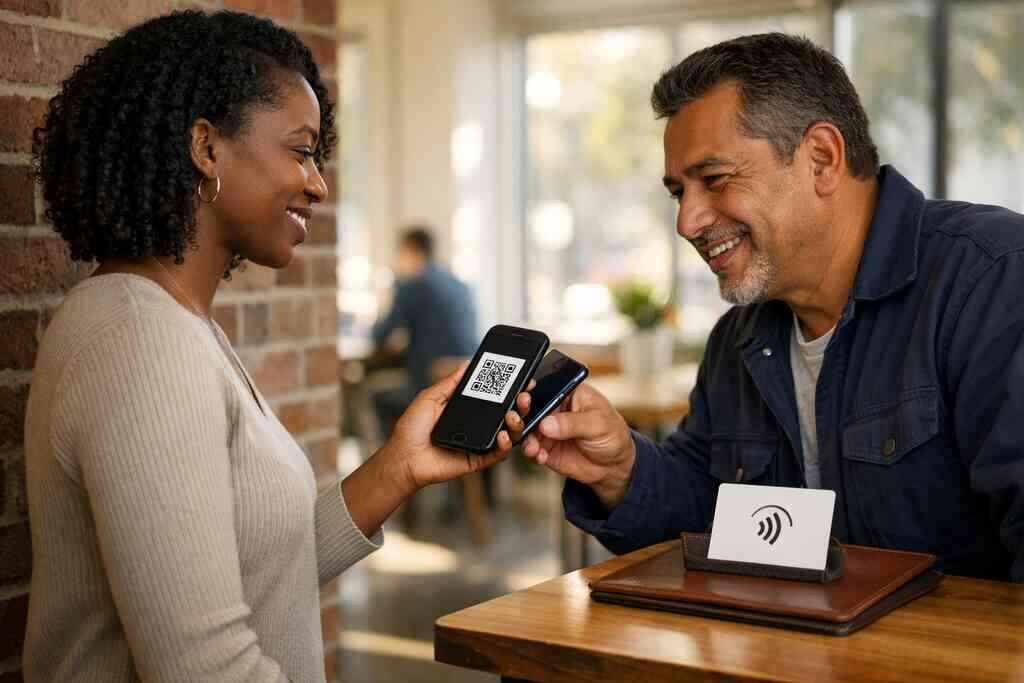
You can also share your card by email and keep the chain alive after the event ends. That is a simple but powerful habit. It helps people forward your details without retyping them. If you want to improve that part of your process, explore how to use digital business cards for LinkedIn growth. The right follow-through can turn a brief introduction into a repeat source of word of mouth marketing. Which small business types turn digital cards into repeat introductions
Some businesses benefit from digital cards almost immediately. Others need a few weeks to feel the difference. The common thread is repeat contact. If your work depends on being remembered, a digital card tends to earn its keep. That is true for service providers, field teams, and anyone who networks often.
Why sales professionals and freelancers need a smarter online business card
Sales professionals and freelancers live or die by follow-up. An online business card helps because it is easy to resend, update, and tailor. You can keep your business card details current without reprinting anything. That is a big deal when your title changes or your service offer shifts. It saves time and reduces errors.
The problem with paper is obvious here. A wrong number or outdated URL can cost a referral. A digital card gives you one source of truth. If you are building a process for outreach, digital business cards for networking and CRM integration may be worth a close look. It helps keep your lead list cleaner and your next step more consistent.
How real estate agents use digital business cards for networking across Suffolk County and NYC
Real estate agents work in fast, trust-heavy environments. They need to share details quickly and stay memorable after open houses, showings, and referral lunches. That is why digital business cards for networking often fit this field so well. The handoff is easy, and the contact stays accessible. In a market that spans Suffolk County and NYC, that flexibility matters.
A Garden City agent once described a simple win. She met a relocating buyer’s friend at a school fundraiser, shared her card by QR code, and got passed along the next morning. No drama. No paper card to misplace. If you work in property, take a look at real estate digital card examples. They show how quick sharing supports real referral flow.
What corporate teams gain from a shared digital business card system
Corporate teams need consistency. When everyone shares the same look, the brand feels stronger. A shared digital business card system can also reduce confusion when multiple people represent the same company. That helps during conferences, client visits, and trade shows. It also makes follow-up easier across the team.
For teams, the real value is coordination. One person may meet the lead, but another may follow up. A common card structure keeps the handoff clean. If your team is spread across Long Island and NYC, that consistency can matter even more. It also supports professional networking without forcing every rep to manage paper inventory.
How small business owners can compare digital card pricing without guessing
Pricing should never be a mystery. Small business owners need to know what they are paying for and why. Since features can vary, compare digital card pricing by use case, not by hype. Look at sharing methods, branding control, and management tools. Then decide what fits your workflow.
For a practical look, review digital business card pricing for small teams before you commit. You may find a simpler setup is enough. Or you may need a more flexible plan. The point is to compare carefully instead of guessing. That protects your budget and your referral process.
Where a free digital business card may be enough and when premium digital card plans make sense
A free digital business card can be enough for light networking. If you only meet a few contacts each month, that may be perfectly fine. But if you network often, need custom branding, or want more digital business card features, premium digital card plans may make more sense. The decision depends on volume and consistency. It is not about status.
Some readers ask for a digital business card app with every possible feature. That is rarely the smartest path. Start with your actual habit. If you need more control, more analytics, or better team management, then upgrade. If not, keep it simple. Simplicity often improves follow-through.
What to do next if you want referrals to keep coming without more paper
Referrals do not grow because you own a card. They grow because you make sharing easy and memorable. That is why the next move should be practical, not theoretical. Choose a system that matches how you already network. Then test it in real conversations.
How to choose the best digital business card platforms for your workflow
The best digital business card platforms fit your habits. If you rely on events, QR sharing may be enough. If you do a lot of tap-based sharing, NFC may suit you better. If you need analytics, CRM integration, or team management, check those digital business card features carefully. The right fit is the one you will use consistently.
If you want more guidance, browse the digital business card blog for networking tips. It can help you compare options without getting lost in jargon. Also, verify whether a platform supports the specific workflow you need. That includes your phone, your team, and your follow-up process. A tool only helps if it fits the real world.
Which setup path makes sense on our how it works page
If you are still wondering how to make a digital business card, start with the setup path that keeps things simple. Create your profile. Add your business card details. Then test sharing with one trusted contact. That basic flow is usually enough to expose weak spots before you use it in the field.
A good next stop is the how to make a digital business card for leads guide. It should help you think through design, sharing, and follow-up. The goal is not to build the fanciest card. The goal is to make a repeatable system. Repetition is what turns contact sharing into referral generation.
How to compare digital card vs paper using real networking habits
Digital card vs paper is not a style debate. It is a workflow question. Paper is fine for a quick handoff, but it often breaks down after the event. Digital cards stay editable, searchable, and easier to forward. That difference becomes obvious once you track your own follow-up habits.
A simple comparison helps:
- Paper works well for one-time handoffs.
- Digital cards work better for repeated sharing.
- Paper can feel personal, but it is easy to lose.
- Digital cards support contactless sharing and updates.
- Paper needs reprints when details change.
- Digital cards reduce that waste and support sustainable business cards.
If you want a deeper look at the digital card vs paper tradeoff, compare your actual networking behavior first. That gives you a better answer than any generic advice. The truth is usually visible in your own missed follow-ups. You just have to measure it honestly.
Why Long Island business owners should test templates before they print or share
Templates are not decoration. They shape how people read you. Before you share or print anything, test a few digital business card templates with real contacts. Ask which version feels clearest. Ask which one they would forward without hesitation. That feedback is often more useful than internal guessing.
Long Island business owners especially benefit from this. Our networking culture moves fast, from Suffolk County meetups to NYC commutes and local coffee shop introductions. A template that feels strong in one room may feel cluttered in another. Test, then refine. That is how you build confidence before the referral moment arrives.
How to move from one digital business card example to a repeatable referral system
A single digital business card example is only a starting point. The real win comes when you turn it into a system. That means one design, one sharing method, and one follow-up habit you can repeat. If you want more referrals, the process must be simple enough to use under pressure. Complex systems get skipped.
If you are ready to make the shift, begin with the setup that matches your workflow and keep refining it. You can also contact support if you need help choosing the right approach. For local users, contact Digital Business Cards is a practical place to ask about fit. You do not have to figure out every detail today. Start with one conversation, then let the system do the heavy lifting.
Frequently Asked Questions
Question: How do digital business cards help small businesses win referrals better than paper cards?
Answer: Digital business cards make it easier to share contact info, stay visible after the meeting, and keep your details ready for quick follow-up. Unlike a paper card that can get lost in a wallet, drawer, or event bag, an online business card can be saved, forwarded, and reopened later. That is especially useful for small business owners who rely on professional networking, word of mouth marketing, and repeat introductions. At Digital Business Cards, based in Long Island, New York, we focus on helping people create a digital business card experience that supports paperless networking and easier sharing. The result is a smoother referral path because the person you meet can pass your details along without retyping them.
Question: What features should I look for in a digital business card app if I want stronger referral generation?
Answer: If your goal is referral generation, look for digital business card features that make sharing, updating, and follow-up simple. Helpful options often include QR code business cards, NFC business cards, a clean digital business card design, custom branding, and the ability to share through link or email. Some users also value lead capture, CRM integration, digital card analytics, and follow-up automation, but those should always be confirmed with the platform before you rely on them. The best digital business card platforms are the ones that fit your workflow, not just the ones with the longest feature list. At Digital Business Cards, we encourage small businesses to choose a setup that matches how they already network, whether they are meeting people in Suffolk County, NYC, or anywhere across Long Island.
Question: How does How Digital Business Cards Help Small Businesses Win Referrals connect to digital card vs paper for local networking?
Answer: The main difference in digital card vs paper is what happens after the first handshake. Paper cards can be useful, but they are easy to misplace, and details can become outdated. A digital business card stays accessible, editable, and easier to share again, which is why it often works better for digital business cards for networking. For Long Island business owners, that matters because networking happens fast, whether you are meeting someone in Commack, Garden City, Suffolk County, or NYC. A smart business card with clear business card details and strong business card design helps people remember you and forward your information with confidence. That is exactly the kind of system Digital Business Cards supports with a simple, local, and practical approach.
Question: Can sales professionals, freelancers, and real estate agents use QR code business cards or NFC business cards to share contact info faster?
Answer: Yes, and those groups often benefit the most because they depend on quick follow-up and repeat introductions. QR code business cards are familiar and easy to scan, while NFC business cards can make tap-to-share contactless sharing feel even faster in the right setting. Sales professionals, freelancers, and real estate agents often need an electronic business card exchange that is simple enough to use during busy events, client meetings, or open houses. A digital card maker can help you create digital business card details that are current, easy to resend, and better suited to ongoing networking than a static paper card. If you are comparing options, think about where you meet people most often and whether a virtual business card, an Apple Wallet business card, or a Google Pay card style of sharing would fit your workflow best.
Question: What should I know about digital card pricing, free digital business card options, and premium digital card plans before I choose?
Answer: The best approach is to compare digital card pricing by what you actually need, not by assumptions. A free digital business card may be enough if you only need basic sharing and a simple online business card. If you need more control over digital business card templates, custom branding, digital card analytics, or team management for corporate teams, premium digital card plans may be worth reviewing. Because features can vary by provider, it is important to verify what is included before you commit. At Digital Business Cards, we recommend starting with your real networking habits first: how often you share, who you share with, and whether your business card template needs to work for one person or a whole small business team. That way, you choose a plan that supports referral marketing without paying for things you will not use.