
Why PPC agencies keep losing leads after the click
A click can look like progress, then disappear. That is what frustrates most PPC teams. You paid for attention, but not every interested person leaves a usable trail. If you are reading this because leads keep slipping away after events, calls, or quick introductions, that feeling makes sense. The gap is real, and it is usually small fixes that close it.
The hidden gap between ad spend and real contact capture
PPC agencies often measure the click, then stop too early. A campaign may generate traffic, but not every visitor fills out a form or books a call. Some people want to talk later, and some want a softer handoff. That is where contact capture breaks down. A digital business card gives you one more path to collect real contact details without forcing a heavy ask.
Here is the part most teams miss: the first touch is not always the conversion moment. A prospect may scan, save, and return later from a different channel. If your setup cannot connect those moments, your reporting gets fuzzy fast. That makes optimization harder than it should be.
Why paper business cards break the attribution trail
Paper cards look simple, but they create blind spots. A card gets handed out at a mixer, placed in a pocket, then buried under receipts. The contact may remember you, but your campaign does not get credit. Even worse, you have no clean way to know which event, ad, or message led to that exchange. That is why digital card vs paper matters more than many agencies expect.
On a recent round of meetings in Long Island, one agency owner described a common scene. He had a neat stack of paper cards from a client lunch in Hauppauge, plus a second stack from a Commack co-working event. Three weeks later, he could not tell which conversations turned into opportunities. That is not just a lead problem. It is an attribution problem.
How a digital business card keeps a lead attached to the campaign that sent it
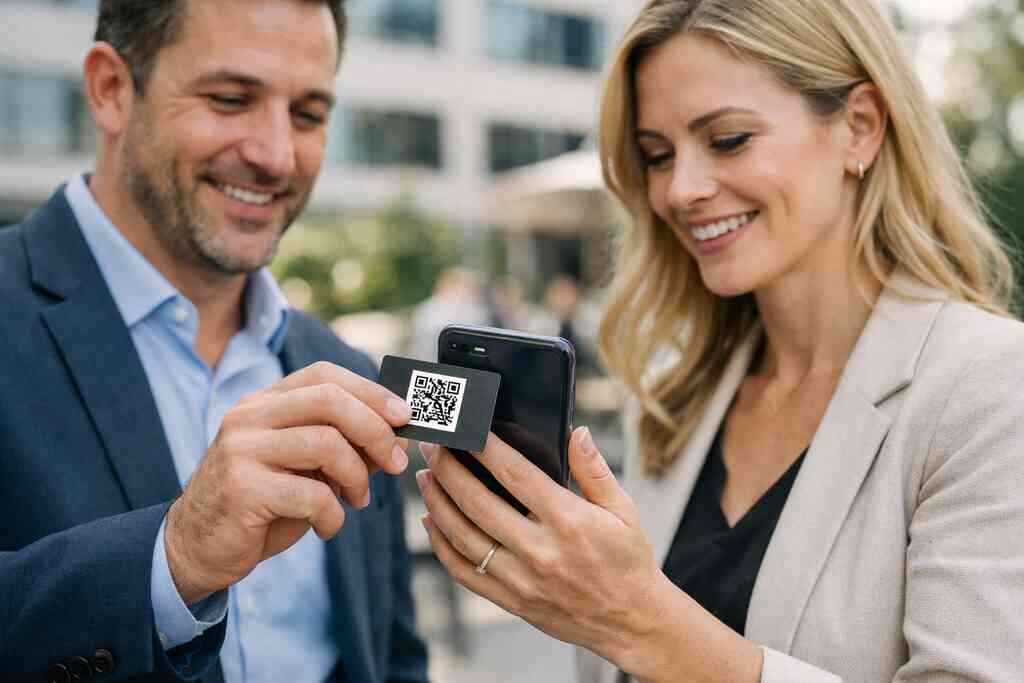
A digital business card can preserve the contact path better than paper. When someone scans a QR code business card or taps an NFC business card, you can direct them to a tracked destination. That destination can include campaign identifiers, source tags, or follow-up notes. In simple terms, the lead stays attached to the channel that brought them in.
This is where digital business cards improve PPC lead capture in a practical way. You are not just sharing a name. You are creating a measurable handoff. That matters for PPC agencies that care about marketing attribution, conversion tracking, and lead tracking. It also matters when the lead is warm but not ready to commit that minute.
What Long Island agencies notice after networking events and client meetings
Long Island teams often work across very different settings. You might meet one prospect at a Hauppauge business mixer, then another in a Midtown meeting after a Long Island Rail Road commute. The rhythm changes, but the problem stays the same. Contacts disappear when the exchange is manual. That is why paperless networking feels less like a tech trend and more like practical hygiene.
We have seen agencies keep better records once the share becomes digital. A quick scan after a meeting is easier than shuffling cards into a drawer. It also fits how people already communicate now. Email, text, and LinkedIn are familiar channels, so the digital business card feels natural instead of forced.
What makes a digital business card a tracking asset instead of a static profile
A static profile just sits there. A tracking asset moves with the conversation. That difference changes how PPC agencies measure intent, follow up, and learn from each interaction. A what is a digital business card answer should always include this idea: the card is not only a contact page, it is a lead capture point.
How a virtual business card turns every share into measurable lead capture
A virtual business card can work like a small branded landing page. It can share contact info, business card details, and a fast route to action. If someone saves the card, replies, or clicks through to another channel, those actions become useful signals. That is why digital card analytics matter to PPC teams. They tell you which shares lead to actual engagement.
This also helps with digital business cards for networking. You can send the same core contact information in different contexts, then track response patterns. A prospect at a conference may respond differently than a prospect from LinkedIn. You learn from that difference instead of guessing, and guessing is expensive in paid media.
Why QR code business cards and NFC business cards create cleaner handoffs
QR code business cards and NFC business cards both reduce friction. QR works well when people want a quick scan from a screen, badge, or printed surface. NFC works well when a tap feels faster than opening a camera. Both methods support contactless sharing, and both keep the handoff tidy.
The standard behind QR is ISO/IEC 18004. NFC relies on near field communication principles, and Apple’s Core NFC framework supports tap-based interactions on compatible devices. That matters because reliability shapes adoption. If the share is clumsy, people abandon it. If it feels smooth, they keep using it.
OptionBest use caseMain strengthTracking valueQR code business cardsFast scan in meetings or eventsWorks widely and visiblyEasy source taggingNFC business cardsTap-to-share momentsVery quick handoffGood for mobile-first follow-upPaper cardBasic offline exchangeFamiliar but limitedWeak attribution### How contactless sharing supports mobile-first networking without slowing the conversation
Contactless sharing keeps the conversation moving. That matters in sales, especially when you only have a minute between sessions or calls. You do not want to fumble with a wallet, a cardholder, or a torn corner. You want the exchange to feel effortless. That is the real advantage of a smart business card.
One consultant we spoke with after a trade event in NYC had a simple habit. He would finish a chat, tap his phone, and ask the prospect to save the card immediately. He said the follow-up rate improved because the contact entered the phone before the person walked away. That is not magic. It is timing.
Where custom branding and business card details fit into the lead management workflow
Custom branding matters more than people think. A clean digital business card design makes the first touch feel consistent with your ads and your landing pages. If the card template looks like your PPC creative, the experience feels connected. That connection builds trust quickly.
The details matter too. Job title, email, phone number, website, and a clear call to action all support the lead management workflow. A good digital business card templates approach lets you control what appears first. That keeps the card focused. It also helps small business teams and sales professionals standardize how they share contact info.
The tracking signals PPC teams should care about more than vanity metrics
Likes and impressions can feel reassuring. They are not enough. PPC agencies need signals that show movement toward revenue. Digital business cards help because they produce more than a simple view count. They reveal who engaged, how they engaged, and what happened after the share.
How digital card analytics help separate curiosity from conversion intent
Digital card analytics can help you tell casual interest from real intent. Someone who opens a card once is different from someone who saves it, clicks a CTA, and returns later. That pattern says more than a vanity metric ever will. It gives your team a stronger read on lead capture quality.
We have seen this matter during follow-up reviews. A contact who only viewed the card once often needs more nurturing. A contact who clicked a second time usually sits closer to conversion. That kind of segmentation improves campaign performance insights. It also keeps your team from overvaluing weak leads.
Why UTM parameters matter when a card is shared from email, text, or social channels
UTM parameters are simple, but they are powerful. They tell you where the visit came from, what campaign it belonged to, and which channel carried it. If a card is shared from email, text, or social, UTMs keep the source visible. That helps PPC teams compare channels with less confusion.
This matters for digital business cards for LinkedIn and other social touchpoints. The same card can travel through multiple paths. Without source tags, those paths blur together. With them, you see which share actually moved the needle. That makes campaign optimization much sharper.
How CRM integration and follow-up automation reduce lead leakage
CRM integration closes the loop. When a contact enters your system automatically, you reduce manual entry errors and slow response times. Follow-up automation then keeps the conversation alive before the lead cools. That is especially useful for agencies juggling many small opportunities at once.
The best digital business card platforms often pair well with a CRM workflow, even when setup is simple. For teams that want a deeper look, Digital Business Cards and CRM Integration for NYC Teams in 2026 is a useful reference point. Also, keep privacy in mind. If you store shared contact details, GDPR-style consent habits are smart, even for U.S.-based teams. Clear permission builds trust and lowers risk.
What offline conversion tracking can reveal when the lead starts in person and converts later
Offline conversion tracking is essential when the first conversation happens face to face. A lead may scan your card at a luncheon, then close weeks later after seeing retargeting ads. If you do not connect those steps, PPC looks weaker than it is. That can send budget in the wrong direction.
What we have seen in 2026 specifically is a stronger need for blended attribution. Agencies want to know which in-person touch led back to an online form, demo, or booked call. Digital business card analytics can help create that trail. They do not replace your CRM or ad platform. They strengthen both.
Where the real gains show up in the agency workflow
The biggest wins are not flashy. They show up in the routine parts of the job: faster replies, cleaner records, and fewer missed handoffs. That is where a digital business card becomes part of the workflow instead of a nice extra. 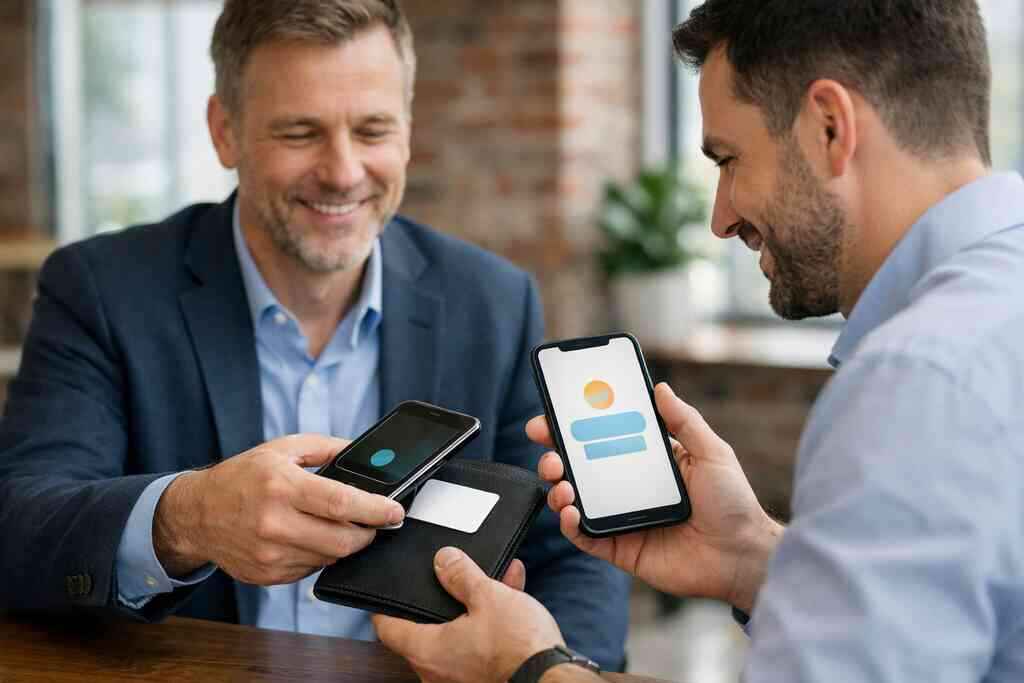
How a digital business card for LinkedIn supports faster post-meeting follow-up
LinkedIn is often the second touch. A digital business card for LinkedIn helps you connect the meeting to the profile without extra friction. You can share the card, then connect on the platform right away. That keeps the context fresh. It also makes post-meeting follow-up feel deliberate.
This matters for PPC agencies that sell trust as much as service. The faster you reconnect, the less likely the lead is to drift. If you want examples of how that flow works, Digital Business Cards for LinkedIn Networking in 2026 can help frame the process. The point is simple: good timing beats long follow-up sequences.
Why instant contact exchange is stronger than collecting a stack of paper cards
Paper cards collect dust. Digital exchange creates action. When someone gets your card instantly, they can save it, message you, or forward it. That is a better outcome than hoping they remember your name after the event ends.
A real estate agent in Garden City once told us she stopped carrying two cardholders because her phone did the work better. She met a referral source, tapped to share, and got a reply before she reached her car. That kind of speed changes the momentum of a relationship. It also keeps lead capture honest, because the exchange is recorded while interest is still high.
How sales professionals and small business teams can standardize lead capture
Standardization sounds boring. It is not. It is what keeps lead data usable. If one rep texts a card, another emails a PDF, and a third hands out paper, your reporting gets messy fast. A shared template solves that.
A simple workflow helps:
- Use one approved business card template.
- Keep the same CTA across the team.
- Route every share to the same CRM fields.
- Review digital card analytics weekly.
- Adjust follow-up automation based on response patterns.
That structure works for sales professionals, small business teams, freelancers, and corporate teams alike. It also makes digital card vs paper an easy internal argument. Digital wins because it is easier to measure and repeat.
What Long Island, New York teams can do differently at Hauppauge mixers, Commack co-working spaces, and NYC meetings
Local context matters. Long Island, New York, teams often move between suburban meetings and city appointments in the same day. That creates uneven networking conditions. At a Hauppauge mixer, a QR scan may be easiest. In a Commack co-working space, an NFC tap may feel more natural. In NYC, a fast digital share keeps pace with the crowd.
That flexibility is why paperless networking tools fit this region so well. If your team travels between Suffolk County, NYC, and nearby client offices, the contact method should travel too. A Top 5 PPC Uses for Digital Business Cards in Long Island approach keeps the process consistent across settings. That consistency is what improves follow-up quality.
The next move that turns contact sharing into a repeatable system
A repeatable system beats a clever one-off every time. You want templates, tracking, and follow-up working together. That is how PPC agencies turn scattered contacts into usable pipeline data. It is also how they stop losing leads after the click.
How to create digital business card templates that match campaign goals
Start with the campaign goal. If the goal is booked calls, the card should point there. If the goal is lead capture, the card should prioritize contact collection. A digital card maker should let you shape that flow without adding clutter. Good digital business card design stays focused.
Your template should support:
- Clear business card details
- One primary CTA
- Clean custom branding
- Mobile-friendly layout
- Optional profile fields only when needed
For agencies comparing layouts, our pricing page may help frame the decision between simple use and more advanced needs. A strong template supports the whole lead management workflow. It should not distract from it.
When a free digital business card is enough and when premium digital card plans may be worth reviewing
A free digital business card can be enough for basic sharing. If you only need a simple online business card, that may cover the job. But if your team wants deeper tracking, stronger branding, or more structured lead capture, premium digital card plans may deserve a look. The right choice depends on your process, not hype.
Here is the practical test. If you are still relying on memory to know who engaged, you likely need more structure. If your team already tracks source data and follow-up automation, a more advanced setup may fit better. That is why digital card pricing should be evaluated against workflow needs, not just the monthly number. A cheap tool that creates blind spots is not cheap for long.
Why the best digital business card platforms make analytics easy to read
The best digital business card platforms do not overwhelm you. They make the important parts obvious. You should be able to see shares, clicks, contact capture, and next-step actions without digging through clutter. That simplicity helps busy PPC teams move quickly.
If a dashboard is confusing, adoption drops. If the numbers are readable, your team uses them. That is why digital card analytics should be easy to scan during a weekly review. It helps you spot patterns, improve campaign performance insights, and avoid lead leakage.
How to use How It Works and Pricing & Plans to choose a setup that fits your agency
If you are comparing options, start with the setup flow. A clear How It Works page should show how you create, share, and manage the card. Then review the features that support analytics, branding, and lead capture. That gives you a practical view of fit.
Use the Pricing & Plans page to check the parts that matter most to PPC agencies. Look for CRM integration, follow-up automation, and tools that support contactless sharing. Then compare that against your current process. If the card helps you track more leads and respond faster, it is doing real work. If not, keep refining the setup until it does.
Frequently Asked Questions
Do digital business cards work without an app?
Yes, many digital business cards can be shared through a link, QR code, or tap method without forcing the other person to install an app. That makes the exchange faster and lowers friction during meetings. For PPC agencies, that matters because every extra step can reduce lead capture. If you want a smoother share, look for a setup that opens cleanly on mobile and supports easy contact saving. A simple setup often outperforms a complicated one.
Can I customize the design of my digital card?
Usually, yes. Custom branding is one of the main reasons agencies switch from paper to digital. You can often adjust colors, logos, profile fields, and the business card template layout. The goal is to make the card look consistent with your agency’s site and ad creative. That consistency helps the lead remember you. It also makes the card feel more professional in client-facing situations.
Is NFC safe for sharing contact info?
NFC is generally safe for sharing contact info because it is designed for short-range exchange. The tap itself does not expose more data than you choose to share. Still, you should control what appears on the card and avoid oversharing private details. Many teams pair NFC with clear privacy settings and simple contact collection rules. If you want to learn more, review NFC digital business cards and how they fit your workflow.
What is the difference between a digital business card and a QR code business card?
A digital business card is the full online profile or contact-sharing experience. A QR code business card is one way to access that card quickly. So, QR is usually the doorway, while the digital card is the destination. That distinction matters for PPC agencies because the destination can carry tracking, branding, and follow-up options. QR helps with speed, while the digital card provides the broader system.
Can digital business cards help with CRM integration?
Yes, they can help a lot when set up correctly. CRM integration lets contact details move into your pipeline faster, which reduces manual entry and missed follow-up. That is especially useful for agencies handling many short conversations and mixed channels. It also improves reporting because the source of the lead stays attached to the record. For teams in New York, connected workflows often save time right away.