

The cheapest digital business card plan is not always the lowest-cost choice once you start using it to share contact info, follow up, and present your brand well. The real comparison is how much value you get per contact shared, especially if you network often in Long Island, New York, or anywhere you need fast, paperless networking.
Key Takeaways
- Digital card pricing should be judged by use, not just monthly cost. A free digital business card can work well for basic sharing, but limits often appear when you need branding, multiple cards, or tracking.
- The cheapest plan can cost more in missed opportunities. If a plan slows down contact sharing or weakens your digital business card design, you may lose follow-up chances.
- Pricing changes most with features. Custom branding, lead capture, digital card analytics, and CRM integration usually matter more than the sticker price.
- Different users need different plan levels. Sales professionals, real estate agents, freelancers, and corporate teams do not use an online business card the same way.
- The best comparison is practical. Check what you can share, how you can share it, and whether the plan fits your networking habits before you create digital business card profiles.
Why the cheapest digital card often costs more when you actually start sharing contacts
The cheapest digital card often costs more in practice because the plan that looks simple may not support the way you actually network. If you share contact info at events, meetings, or on the go, small limits around branding, tracking, or sharing can create friction that costs time and follow-up chances.
What a digital business card plan really includes before you compare prices
A fair digital business card plan comparison starts with what the plan actually lets you do, not the headline price. A digital business card, virtual business card, or electronic business card should help you share contact info quickly, present a clean business card example, and keep your business card details easy to update. The question is not only “What does it cost?” but “What do I need it to do?”
A useful way to compare plans is to look at the basics side by side:
Plan factorWhat to checkWhy it mattersSharing methodQR code business cards, NFC business cards, direct link, SMS, emailMore sharing options reduce friction in live networking momentsDesign controlBusiness card template, digital business card templates, custom brandingStronger branding makes your card feel polished and memorableContact captureLead capture, form fields, follow-up automationBetter capture turns a quick scan into a real leadTrackingDigital card analyticsYou can see which shares get attentionTeam useMultiple cards, corporate controlsTeams need consistency, not just one profileOn Long Island, this matters more than people expect. A freelancer in Commack may only need one polished card. A small business owner heading into Hauppauge mixers may need a card that looks sharp and opens fast. The right plan depends on how often you share, where you share, and how much polish you want on the first tap or scan.
For setup details, the Pricing & Plans page is the cleanest place to start comparing options against your actual networking needs.
Where free digital business card limits show up in real networking moments
Free digital business card options can be enough if you only need basic contact sharing. The limits usually show up when you are in a hurry, need a more branded presentation, or want better tracking after the conversation ends. That is where “free” can quietly become expensive. Here is the part most people miss: the cost is not just the subscription. It is the delay between meeting someone and getting a useful follow-up in front of them. If your card lacks a strong digital business card design, a clear business card template, or an easy way to share by link, you can lose momentum.
One Garden City real estate agent I spoke with needed something faster than paper cards because clients kept texting after open houses but never saved the paper. The issue was not interest. It was speed. Once the contact flow became easier, the follow-up problem got simpler too.
A free plan can still make sense if you are testing the format or only need one simple profile. But if you are using a digital card maker for sales, client meetings, or recurring networking, the hidden cost usually shows up in time, not money. For a practical breakdown of that tradeoff, see how to compare digital card pricing.
The pricing levers that change the bill more than the headline number
The biggest pricing levers are not the monthly number alone. They are the features that change how well the card works for your role, your team, and your follow-up process. In many cases, custom branding, lead capture, and analytics are what make premium digital card plans worth considering. 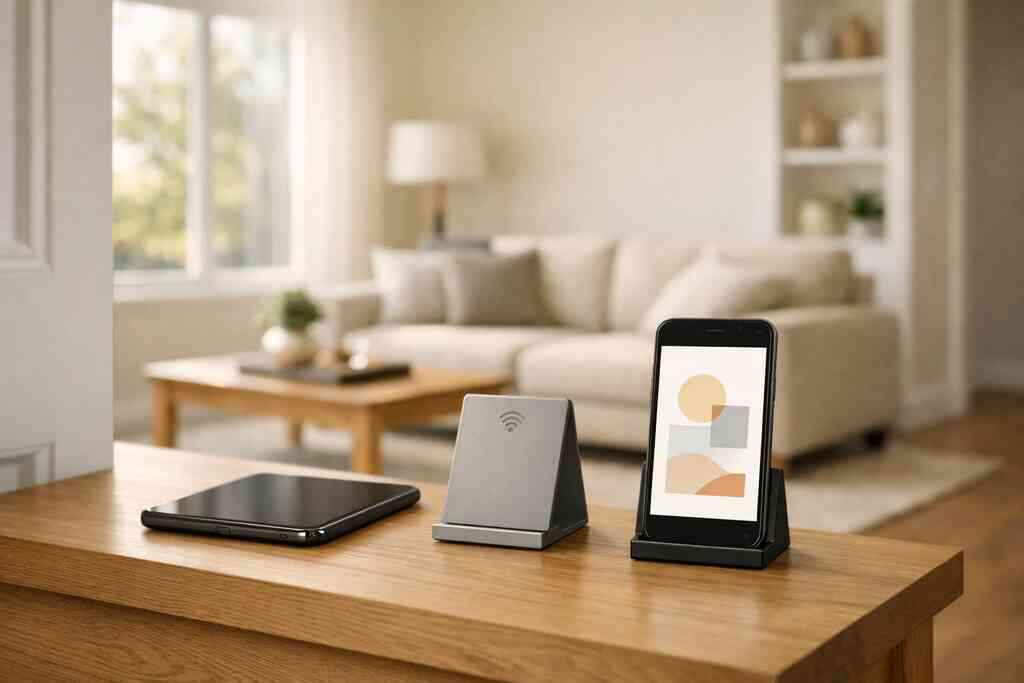
How digital business card features shift value for sales professionals, freelancers, and corporate teams
Different users feel value in different places. Sales professionals usually care about speed, lead capture, and follow-up automation. Freelancers often care about design flexibility and a clean online business card that feels personal. Corporate teams may care most about consistency, admin control, and a shared standard for electronic business card exchange.
A simple comparison helps:
User typeWhat usually matters mostWhy pricing shiftsSales professionalsDigital card analytics, lead capture, CRM integrationEvery lead needs a clear next stepFreelancersVirtual card design, business card template variety, custom brandingPersonal presentation affects trustCorporate teamsMultiple users, consistency, trackingOne-off tools do not scale wellSmall business ownersFast sharing, contactless sharing, low overheadValue comes from saving time and keeping costs controlledFor broader networking use, a digital card maker should make it easy to create a digital business card that still feels human. That matters whether you are meeting someone at a Long Island Business Network event or jumping on a quick NYC commuter coffee meeting. A card that looks generic may be cheap, but it can also feel forgettable.
When custom branding, lead capture, and CRM integration justify premium digital card plans
Premium digital card plans make sense when the card is doing more than sharing a phone number. If you want custom branding, lead capture, or CRM integration, you are no longer just buying a digital card. You are buying a lighter networking workflow.
These features matter most when you need:
- Custom branding that matches your company or personal style
- Lead capture so names and interests do not get lost
- CRM integration so contacts move into your sales process faster
- Digital card analytics to see what gets opened and shared
- Follow-up automation so the conversation continues after the event
A second practical example: a small business owner in Suffolk County used to hand out paper cards at local meetings, then spend hours sorting follow-ups later. Once the sharing format became digital, the workflow became cleaner. Not perfect. Cleaner. That is often the real value.
If your work depends on repeat networking, the higher plan can pay for itself by reducing missed contacts. If you only share a card a few times a month, a lighter plan may be enough. For a closer look at structured feature sets, the pricing plans page can help you compare what is bundled at each level.
For teams focused on location-based selling or office networking, the digital networking strategies category is also useful because it shows how sharing habits affect results more than the card format alone.
If you are comparing tech choices, remember that QR code business cards follow the ISO/IEC 18004 standard, while NFC business cards rely on near-field communication protocols. Apple’s Core NFC framework supports tap-based interactions on compatible devices, and that is one reason NFC can feel seamless in person. If privacy or data handling matters, review basic GDPR-style principles for storing shared contact details before you collect anything you do not truly need. For a plain-English overview of share speed, see how to share contact info faster.
For real estate-specific use cases, real estate digital card examples can be especially helpful if you want to see how QR sharing fits open houses, listing appointments, and quick client exchanges.
If you want a modern, paperless way to share contact details and keep your networking simple, The Digital Business Cards is a strong place to start. You can create a polished card without making recipients download anything, which helps in fast-moving meetings, crowded events, and everyday follow-up.
Frequently Asked Questions
Question: How does How Does Digital Business Cards Pricing Compare by Plan help me choose the right digital card pricing option for paperless networking in Long Island, New York?
Answer: The main idea is to compare digital card pricing based on how you actually use your digital business cards, not just on the monthly cost. A free digital business card can be a good starting point if you only need simple contact sharing, but many users find that premium digital card plans offer better value once they need custom branding, lead capture, digital card analytics, or CRM integration. If you network often in Long Island, Suffolk County, or NYC, a plan that helps you share contact info quickly and follow up more easily may save more time than it costs. The best choice depends on whether you are using an online business card for occasional introductions or a full digital business card app workflow for professional networking.
Question: What digital business card features should sales professionals, real estate agents, freelancers, and corporate teams compare before they create digital business card profiles?
Answer: Different users need different digital business card features, so it helps to compare plans by role. Sales professionals often benefit most from lead capture, follow-up automation, and digital card analytics because every contact can turn into a next step. Real estate agents may care more about fast contactless sharing, a polished business card template, and a digital business card design that feels professional at open houses or client meetings. Freelancers often want flexible virtual card design and custom branding so their electronic business card feels personal and memorable. Corporate teams usually need consistency, multiple users, and CRM integration so the system works across the whole organization. The right digital business card plan comparison should focus on what makes the digital card useful in real networking moments, not just on the lowest price.
Question: Is a free digital business card enough, or do premium digital card plans make more sense for QR code business cards and NFC business cards?
Answer: A free digital business card can be enough if you only need one simple profile and basic sharing, but it may not be the best fit if you want a more polished digital business card example with stronger branding and smoother follow-up. Premium digital card plans can make more sense when you want a branded online business card, digital business card templates, contactless sharing, or digital card analytics that help you understand what gets attention. If you use QR code business cards or NFC business cards often, the real value usually comes from speed, convenience, and the ability to keep your business card details updated in one place. That is why the cheapest option is not always the lowest-cost choice in practice, especially for people who network regularly.
Question: How do custom branding, lead capture, and CRM integration affect the value of digital business cards for small business owners?
Answer: These digital business card features can make a big difference for small business owners because they help turn a simple electronic business card exchange into a more useful networking system. Custom branding helps your business card design look polished and aligned with your company image. Lead capture helps make sure names and interests do not get lost after a conversation. CRM integration can move contact details into your sales process faster, which is especially helpful if you rely on repeat networking and follow-up automation. For a small business in Long Island, that can mean less time spent manually entering contacts and more time focusing on real opportunities. In other words, premium digital card plans can be worth it when the card is doing more than sharing contact info.
Question: What should I look for when comparing best digital business card platforms if I want to create digital business card profiles for networking in NYC and Suffolk County?
Answer: When comparing best digital business card platforms, start with the basics: how easy it is to create digital business card profiles, how well it supports sharing by QR code business cards or NFC business cards, and how flexible the digital business card design is. Then compare whether the platform supports digital business card templates, custom branding, digital card analytics, and lead capture. If you are using it for digital business cards for networking in NYC, Suffolk County, or Long Island, convenience matters just as much as appearance. A strong platform should make it easy to share contact info quickly, update business card details without reprinting anything, and present a professional online business card that works across meetings, events, and everyday introductions. That is the practical way to judge value, whether you are exploring a smart business card, a virtual business card, or an electronic business card for your business.