

A lot of PPC budgets disappear before anyone shares a card. That is the frustrating part. You pay for the click, then the visitor wants paper, not a digital business card. If you have felt that frustration, you are in good company. The fix starts with tighter intent, better ad copy, and a landing page that does not make people think too hard.
1) The search terms that waste budget before a single card gets shared
The biggest mistake in pay-per-click advertising for digital business cards is buying broad traffic too early. Those searches pull in people looking for paper printing, office supplies, or a free download with no real buying intent. On Long Island, we see this happen most often when local advertisers chase volume instead of relevance. A cleaner account usually spends less and learns faster. That matters when every click should support a real sales conversation.
Why broad PPC keywords attract people who want paper cards, not digital business cards
Broad terms like “business card,” “card design,” or “networking card” sound promising. In practice, they often attract people comparing printers or looking for a business card template they can take to a print shop. That is a mismatch if your goal is to generate digital business card leads. The intent is simply different. One group wants ink and paper, while the other wants contactless sharing and faster follow-up.
Here is the part most advertisers miss. Search behavior around digital card vs. paper is usually more specific than general branding behavior. People who want an electronic business card already expect convenience, share contact info features, and a cleaner path to lead capture. People searching broadly are still deciding whether a paperless option is even worth attention. If you do not separate those audiences, your cost per lead climbs fast.
Which high-intent phrases signal a ready-to-buy prospect for a digital card maker
Focus on phrases that show action, not curiosity. Terms like digital card maker, create digital business card landing pages, virtual business card lead generation, and digital business card conversion strategy signal readiness. So do searches around QR code business card campaigns, NFC business card ads, and digital business card app setup. These people are closer to choosing a platform. They are not browsing for inspiration.
A strong PPC account also mirrors product language. Use online business card advertising, digital business card features, and paperless networking campaigns where the searcher is clearly evaluating a tool. One local team on Long Island cut wasted clicks by splitting “learn” terms from “buy” terms. The buy group got cleaner landing pages and stronger calls to action. The learning group got educational content without dragging down the entire account.
- Prioritize exact and phrase match for high-intent searches.
- Add negatives for “print,” “template free,” “paper,” and “download.”
- Build separate ad groups for QR, NFC, and general digital card terms.
- Keep one clear offer per ad group.
How to separate sales professionals, real estate agents, freelancers, and corporate teams into tighter ad groups
Different audiences search with different stress points. Sales professionals care about lead capture and quick follow-up. Real estate agents want polished presentation and easy contact sharing after showings. Freelancers often care about personal branding and fast updates. Corporate teams usually care about standardization and custom branding across many users.
That means your structure should reflect intent, not just keywords. A real estate ad group can point to real estate digital card examples and custom branding. A freelancer group can emphasize digital business card design and virtual card design. Corporate teams may respond better to digital business cards for networking and CRM integration for lead capture. If you want a deeper setup guide, our guide to digital business cards covers the core workflow well.
2) The ad copy angle that makes a digital business card feel like a better first impression
Strong ad copy does not just describe a product. It changes how people feel about their choice. That matters because a smart business card is partly a utility and partly a first impression. If your copy sounds generic, you lose the emotional edge. If it sounds too clever, you lose trust. The sweet spot is clear, calm, and specific.
Why contactless sharing beats generic networking language in click-through rate tests
“Network smarter” is vague. “Share your card instantly with a QR code or tap” is concrete. That difference usually shows up in click-through rates. People understand outcomes faster than buzzwords. In PPC, clarity often beats polish.
For contactless sharing, the message should feel practical, not trendy. Mention speed, convenience, and fewer lost contacts. Use language tied to electronic business card exchange, paperless networking, and digital business cards for networking. If the audience is mobile-first, point to the friction they already hate: fumbling for paper, retyping details, and missing the follow-up window. What we have seen in 2026 is that direct language wins when the buyer is already in a networking mindset.
How to write digital business card ad copy that speaks to paperless networking pain
Good ad copy starts with pain. “Stop losing contacts after events” works because it names a real problem. “Create a digital business card in minutes” works because it promises a simple next step. Add one benefit, then one proof point. That is usually enough.
You can also frame the offer around digital business card examples and business card details that stay current. People hate reprinting. They hate outdated job titles even more. One small-business owner we spoke with described a stack of old paper cards sitting in a desk drawer, untouched after three conferences. Their shift to a virtual business card solved the stale-information problem immediately. If you need inspiration for wording, our digital business card ad copy resource can help shape the message.
Which trust cues matter most for Long Island, New York and NYC professional networking ads
Local trust cues matter more than many advertisers expect. Mention Long Island, New York, NYC, or Suffolk County when the audience is local. That signals relevance, not just reach. For many prospects, it also reduces the feeling that they are buying from a faceless tool. People like tools that feel close to home.
You can strengthen the ad with proof-by-clarity rather than exaggerated claims. Say how the product works. Mention how to make a digital business card in plain language. Reference Apple Wallet business card or Google Pay card only if the actual product supports that use. If you want a focused breakdown of local visibility, our Long Island digital marketing article is a useful next read. Keep the ad honest, simple, and easy to trust.
3) The landing page that turns curiosity into a create digital business card decision
A landing page has one job. It must answer hesitation before the user clicks away. If someone lands from PPC, they are not asking for a brand story. They are asking, “Will this solve my problem quickly?” That is especially true for create digital business card campaigns. The page should feel like a helpful decision tool, not a brochure.
What a digital card vs. paper landing page needs to answer in the first screen
The first screen should settle the comparison fast. Show why a digital card vs. paper choice matters. Explain contactless sharing, easy updates, and faster follow-up. Then show a simple path forward. People should know what they get within seconds.
A strong first screen often answers five questions:
- What is this?
- How does it work?
- Why is it better than paper?
- Can I customize it?
- What do I do next?
That structure helps people move from curiosity to action. It also supports search intent optimization for digital business cards because the page matches the searcher’s question. For setup clarity, the how it works page can support the next step without overwhelming the user.
Why business card template pages and digital business card design previews help reduce hesitation
Design hesitation is real. People often worry their card will look generic. That is why business card template pages and digital business card templates matter. They reduce blank-page stress. They also show what “good” looks like before the visitor has to commit. Previewing digital business card design choices helps many visitors imagine their own version. Sales professionals want polish. Freelancers want personality. Corporate teams want consistency. A visible digital business card example makes the decision less abstract. One prospect we heard from in Commack said they almost left because they could not picture the final result. The preview changed that. It gave them a reason to stay. ### Where to place pricing, custom branding, and how it works details without slowing the user down 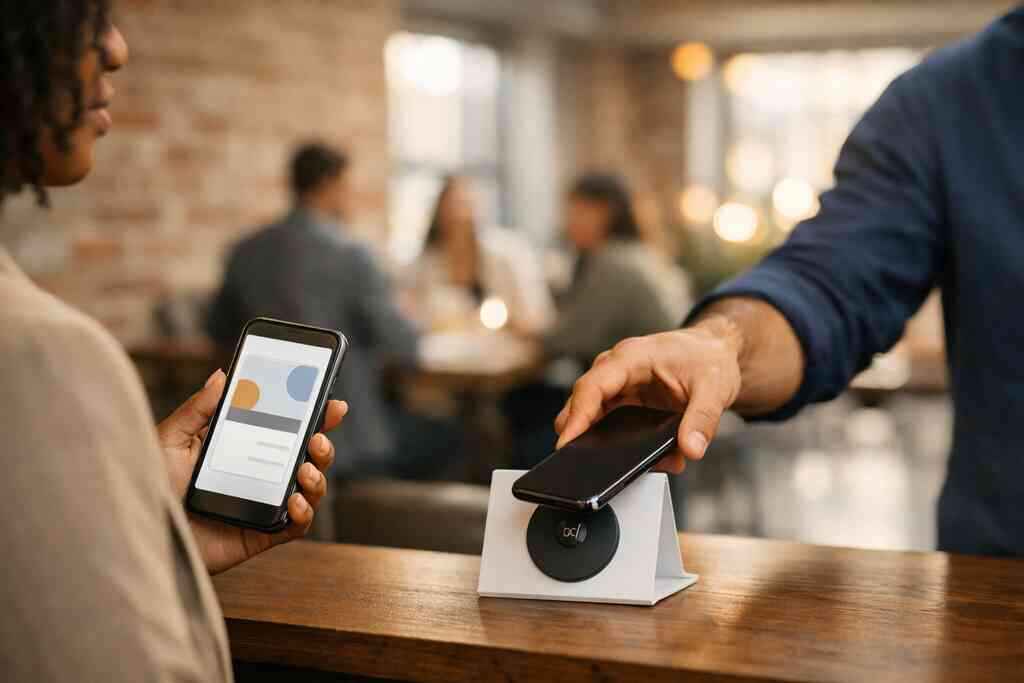
Do not bury the essentials. But do not flood the top of the page either. Place digital card pricing or premium digital card plans close enough to the call to action that people do not have to hunt. Keep free digital business card references clear if they exist on the site. Do not over-explain the pricing model. People want orientation, not a spreadsheet.
The same rule applies to custom branding and how it works details. Put enough information above the fold to reduce doubt. Then move deeper explanations lower on the page. That balance keeps the page moving. If you are comparing tiers or deciding what to test, the Pricing & Plans page can support the evaluation without forcing a hard sell.
Landing page elementWhy it mattersBest placementClear value propAnswers “why switch?”Top of pageDesign previewReduces uncertaintyTop and mid-pagePricing cueFilters unqualified clicksMid-pageHow it worksBuilds confidenceMid to lower pageCTA buttonConverts interestTop, middle, and bottom
4) The local targeting moves that make PPC feel relevant instead of loud
Local targeting is where good PPC starts feeling useful. It tells the right person, “This is for you.” That is especially important for local PPC for Long Island businesses. Broad targeting can bring traffic. Local targeting brings context. Context usually brings better conversion rates.
How local PPC for Long Island businesses can separate Suffolk County leads from NYC commuters
Long Island is not one market. Suffolk County prospects often behave differently than NYC commuters. One group may search during daytime business hours. The other may browse on a train, between meetings, or after a city event. Treating them the same wastes budget.
A smarter setup uses separate audiences and ad groups. One campaign can speak to Suffolk County lead generation and suburban professional networking. Another can speak to NYC PPC campaigns and faster mobile sharing. That split also helps with remarketing later. You can tailor offers by commute patterns, event attendance, or device type. If you want local context, the Long Island Business Network community often reflects how varied these professional circles can be.
Why location-based ad copy works for events, coworking spaces, and professional networking around Long Island, New York
People respond to relevance they can feel. Mentioning Long Island, New York in ad copy is not fluff when the searcher is local. It signals immediacy. It also helps at events, in coworking spaces, and in fast-moving networking settings where people want simple tools. A person leaving a Hauppauge business mixer wants something easy to share. They do not want a heavy setup.
Use location-based lines that fit naturally. “Built for Long Island professionals who network in person and follow up fast” is stronger than generic praise. “Made for NYC meetings and Suffolk County events” works because it reflects real movement between places. The mistake we see most often is overloading the ad with geography. One local mention is enough. Two can work. Five starts to feel forced.
When to use branded QR code campaigns and NFC business card ads for mobile-first audiences
Use branded QR code campaigns when the audience expects quick scanning, event signups, or visual simplicity. Use NFC business card ads when the audience uses newer phones and values tap-to-share ease. Both are useful, but they solve slightly different behaviors. QR works well in crowded rooms and printed placements. NFC often feels smoother in face-to-face meetings.
If you discuss NFC, keep the explanation honest. NFC data exchange is standardized through systems like ISO 14443, and Apple’s Core NFC framework supports tap-based interactions on compatible devices. QR scanning relies on ISO/IEC 18004 standards. That is the technical backbone behind the simplicity. If you want a deeper comparison, our The Difference Between QR Code and NFC Business Cards in 2026 resource explains the practical differences clearly. Just remember: the best ad is the one that matches the user’s setting.
5) The remarketing and tracking layer that keeps digital card leads from slipping away
Clicks are not the finish line. Sometimes they are barely the beginning. That is why tracking matters so much for digital business card marketing. If you do not know where people stop, you cannot improve the funnel. If you do know, you can cut waste and recover more leads.
What to measure when someone clicks but does not create a digital business card
Track more than conversions. Measure scroll depth, time on page, CTA clicks, and form starts. If someone clicks but never creates a digital business card, that still tells you something. Maybe the landing page confused them. Maybe the price cue came too late. Maybe the ad promised one thing and the page showed another.
You should also watch device type and traffic source. Mobile visitors behave differently from desktop visitors. People searching for digital business cards near me often want quick answers. If the page slows them down, they leave. That is why a clean setup matters more than a clever one. For a deeper performance view, the Digital Business Cards Analytics To Track Lead Quality page can help frame what to watch.
How digital card analytics can guide follow up automation and CRM integration without overcomplicating the funnel
Analytics should reduce friction, not create it. Use digital card analytics for PPC to spot where people stop. Then connect the useful signals to CRM integration for lead capture and follow-up automation for prospects. That lets your team respond faster without building a maze. The goal is a simple handoff from interest to contact.
Think of it this way. If someone views a card template, clicks pricing, and leaves, that is a warm signal. If they create a profile and stop before sharing, that is different. The messaging should match the behavior. A light reminder can bring them back. A hard sell usually pushes them away. Keep the system simple enough that your team will actually use it.
Which remarketing audiences make sense for free digital business card visitors versus premium digital card plan shoppers
Remarketing should reflect intent. People who viewed a free digital business card option may need reassurance and education. People who explored premium digital card plans may need proof, feature comparison, or a strong final nudge. Those are not the same audience. Treating them the same wastes opportunity.
A useful split looks like this:
- Free-plan visitors: emphasize ease, setup, and basic sharing.
- Premium-plan shoppers: emphasize branding, team use, and advanced options.
- Template browsers: show design examples again.
- Pricing visitors: clarify value and next steps.
That approach supports virtual business card lead generation without overwhelming the user. It also aligns with follow-up automation for prospects, because each message can reflect what the visitor already saw. If you are building that system now, our virtual business card lead generation article is a smart companion piece. Keep the follow-up human, timely, and specific. That is what brings the right people back.
For a team based in Long Island, New York, the practical move is simple. Pick your highest-intent keyword group, tighten the ad, and match the landing page to that promise. Then test one remarketing audience for people who clicked but did not finish. You do not need to solve everything today, and you do not have to do it alone. Start with one campaign, one page, and one clear message, then refine from there.
Frequently Asked Questions
Question: What are the most effective PPC tips for digital business cards in 2026 if I want better lead generation without wasting budget?
Answer: The strongest PPC tips for digital business cards in 2026 start with high-intent keywords, tight ad groups, and landing pages that match search intent. Instead of buying broad traffic, focus on phrases like digital card maker, create digital business card, QR code business card campaigns, and virtual business card lead generation. That helps you reach people who are already looking for digital business cards, online business card advertising, or paperless networking solutions. It also helps reduce wasted clicks from people searching for paper printing or generic business card templates.
When you build pay-per-click advertising for digital business cards, it is smart to separate audiences such as sales professionals, real estate agents, freelancers, and corporate teams. Each group has different goals, whether that is contactless sharing, lead capture, custom branding, or easier follow-up automation. A good PPC structure also supports digital business card conversion strategy by keeping the ad promise aligned with the page experience. That is especially important for local PPC for Long Island businesses, where searchers may want a nearby provider they can trust.
Question: How does the blog Top 5 PPC Tips for Digital Business Cards in 2026 help me improve digital business card marketing and search intent optimization?
Answer: The blog Top 5 PPC Tips for Digital Business Cards in 2026 is designed to help businesses understand how search intent, ad copy, and landing pages work together in digital business card marketing. It explains why broad keywords often attract the wrong audience and why high-intent keywords for digital business cards usually perform better. That kind of guidance is useful if you want to promote a smart business card, electronic business card, or virtual card design without overspending.
The article also shows how to think about search intent optimization for digital business cards. For example, someone searching digital business cards near me may be looking for a fast, local option in Long Island, New York, Suffolk County, or NYC. Someone searching how to make a digital business card may need education first. By matching the message to the searcher, Digital Business Cards can help visitors move from curiosity to action in a way that feels natural and useful.
Question: What should a create digital business card landing page include to improve conversions from PPC ads?
Answer: A strong create digital business card landing page should answer the visitor’s biggest questions right away. It should explain what a digital business card is, how it works, why it is better than digital card vs. paper options, and how a person can share contact info quickly. It should also show simple business card design or digital business card design previews so people can picture the final result before they commit.
For better conversions, the page should also include clear information about business card template options, digital business card templates, custom branding, and digital card pricing if those details are available on the site. If free digital business card or premium digital card plans are mentioned, those should be easy to find without making the visitor dig. This approach supports website conversion rate optimization and reduces hesitation for buyers who are comparing best digital business card platforms. Because Digital Business Cards is based in Long Island, New York, keeping the experience straightforward and local-friendly can also make the page feel more trustworthy to regional prospects.
Question: How can digital business cards help sales professionals, real estate agents, freelancers, and corporate teams with professional networking?
Answer: Digital business cards are useful for many types of professional networking because they make it easier to share contact info instantly. Sales professionals often use them for faster lead capture and follow-up automation. Real estate agents can use them to stay memorable after showings, open houses, or networking events. Freelancers benefit from flexible digital business card design and personal branding. Corporate teams often appreciate consistency, custom branding, and easier sharing across multiple employees.
Digital business cards for networking also support electronic business card exchange, which is especially helpful when people want a more efficient alternative to paper cards. Whether someone wants a digital business card for LinkedIn, an Apple Wallet business card promotion, or Google Pay card sharing, the goal is the same: make business card details easy to access and update. For businesses in Long Island, New York, Suffolk County, or NYC, that convenience can make a strong impression in fast-paced networking settings.
Question: What remarketing and tracking strategies should I use for digital card maker promotions and online business card advertising?
Answer: For digital card maker promotions and online business card advertising, remarketing works best when it reflects what the visitor already did. Someone who viewed a free digital business card page may need more education and reassurance. Someone who looked at premium digital card plans may need feature comparison, custom branding details, or a stronger call to action. That is why digital card analytics are so important for PPC campaigns.
Good tracking should measure CTA clicks, form starts, page depth, and the point where visitors stop engaging. That information can help improve CRM integration for lead capture and follow-up automation for prospects. It can also show which audiences respond best to branded QR code campaigns, NFC business card ads, or mobile-first ad creative. When you combine digital card analytics for PPC with clear remarketing audiences, you create a smarter system for virtual business card lead generation and more efficient digital business card marketing.