
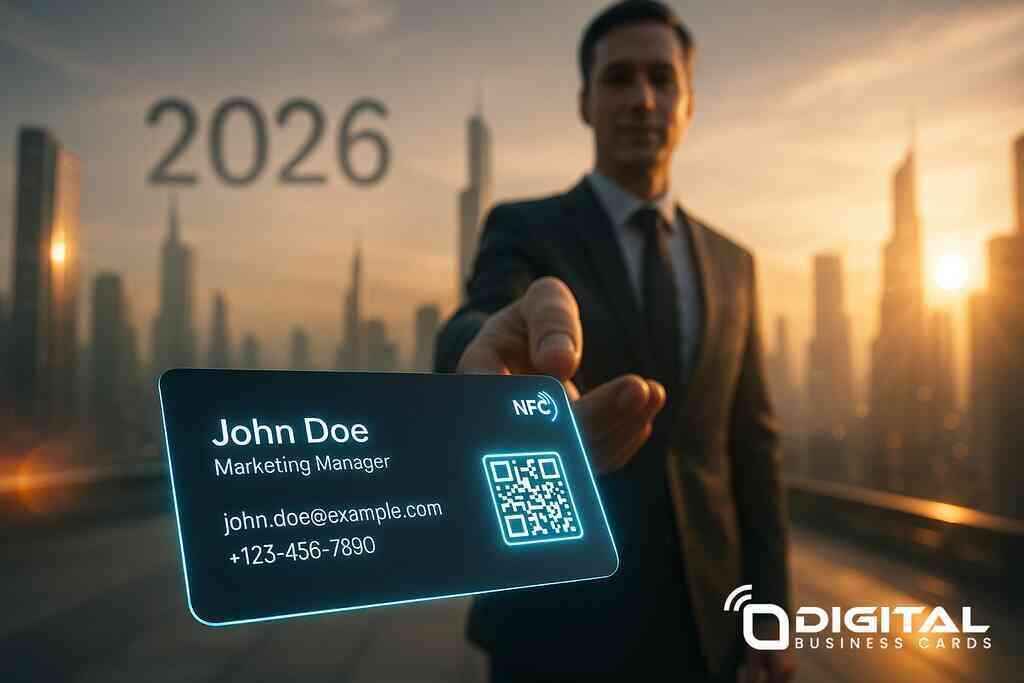
Unveiling the Future of Business Cards
The Evolution of Business Card Designs
Business card designs have changed significantly over the years, transitioning from simple holders of contact information to powerful tools of personal branding and networking. Traditional paper cards, while still in use, are giving way to innovative digital options that cater to modern sensibilities. This evolution is driven by the demand for sustainability, technological advancements, and the need for more dynamic professional interactions. Digital business cards are becoming more prevalent, reflecting a shift toward convenience and efficiency without compromising on style. By understanding where these changes are headed, professionals can use digital business card trends to stay ahead in their fields.
Why 2026 is a Pivotal Year for Digital Business Cards
The year 2026 stands out as a transformative period for digital business cards due to the convergence of technology and environmental consciousness. As businesses increasingly adopt remote and hybrid work models, the need for seamless and contactless information sharing has surged. Innovation is peaking this year, particularly with advances in smartphone capabilities, augmented reality, and near-field communication (NFC) technology. The global emphasis on sustainability further accelerates the adoption of digital cards, reducing paper waste and aligning with eco-friendly business card solutions. Together, these factors make 2026 a defining year for digital innovation in business networking.
How Trends Reflect Modern Business Needs
Current business card trends reflect modern business needs by emphasizing personalization, interactivity, and sustainability. The demand for convenience is driving adoption of advanced technologies such as NFC and QR codes that deliver smart business card features. Meanwhile, the push for environmental responsibility is reflected in the popularity of carbon-neutral digital card designs, which appeal to eco-conscious professionals. The rise of customizable business card options enables professionals to build distinct identities that set them apart in competitive markets. These trends not only address immediate business needs but also anticipate future demands by weaving futuristic aesthetics into their core designs.
1 – Minimalist Marvels
The Rise of Clean and Simple Designs
Minimalism has long been celebrated for its elegance and functionality, and this is especially evident in business card design. Clean and simple designs strike a balance between aesthetic appeal and practicality, offering a refined look that communicates professionalism. This trend highlights the importance of using space effectively – focusing on essential information without overwhelming recipients. Digital business card interfaces emphasize clarity and readability, ensuring recipients grasp key details quickly and effortlessly. For professionals looking to streamline their networking tools, minimalist card design delivers clarity over clutter.
How Minimalism Enhances Professionalism
Embracing minimalism in business card design enhances perceived professionalism by communicating confidence and sophistication. A well-designed minimalist card leaves a strong impression by showcasing essential information with finesse. Reducing unnecessary elements allows the core message to stand out, reflecting the cardholder’s focus and commitment to quality. This approach aligns well with the broader shift toward digital solutions, offering uncluttered interfaces that improve user experience. Professionals looking to convey expertise and reliability can use minimalist business card designs to strengthen their brand image effectively.
Examples of Effective Minimalist Business Cards
Effective minimalist business cards prioritize simplicity while maintaining a distinct visual identity. Using a limited color palette, for example, accentuates important information and maintains a sleek look. Some designs incorporate high-quality materials or textures to add a touch of refinement without overcomplicating the layout. Integrating QR codes subtly into the design offers a modern twist that eases digital interactions. Showcasing a powerful logo or tagline can leave a lasting impression, exemplifying how creative digital business cards can merge minimalism with functional design to enhance networking opportunities.
2 – Interactive Interfaces
Engaging Customers with Interactive Elements
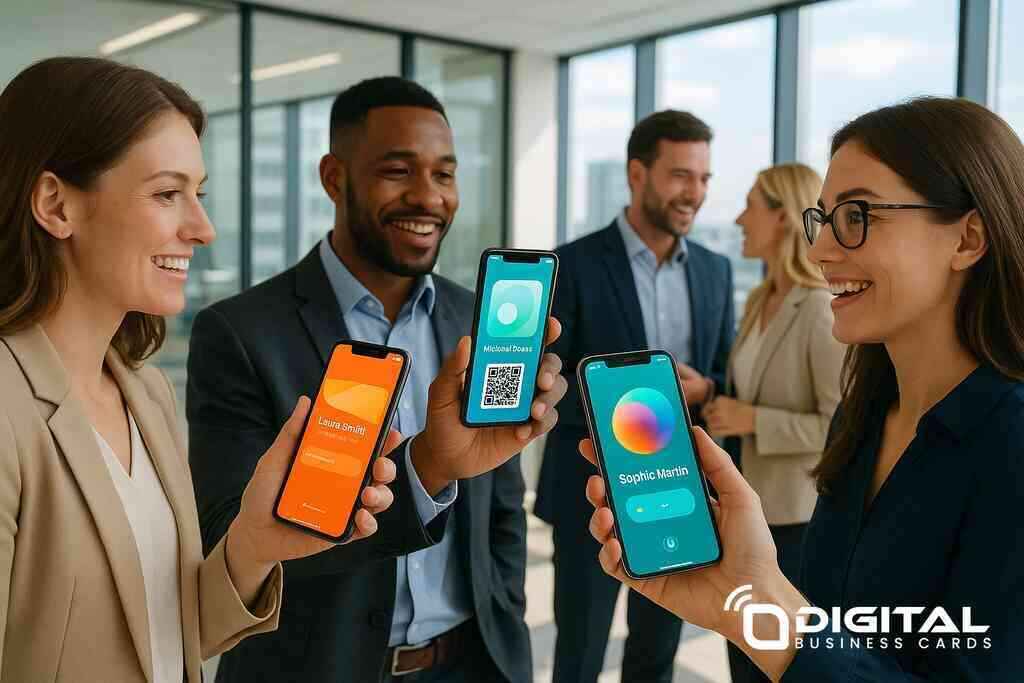
Interactive elements in business card design are redefining how professionals connect with their audience. By incorporating features such as clickable links, video presentations, and augmented reality components, these cards create memorable experiences that engage recipients well beyond the initial meeting. The move toward interactive digital business cards is driven by the desire to make connections more dynamic and impactful, allowing businesses to convey their message in compelling new ways. Such interfaces not only attract attention but also foster deeper connections through multi-sensory experiences.
The Role of Augmented Reality in Business Cards
Augmented reality (AR) is reshaping business cards by adding layers of interactivity that capture attention and spark curiosity. By scanning a card with a smartphone, recipients can access 3D visuals, promotional videos, or immersive brand stories. This approach allows professionals to convey complex information in an engaging format and is a key feature of augmented reality business cards in 2026. The integration of AR provides a compelling glimpse into the future of marketing and networking, giving professionals a genuine way to differentiate themselves.
Case Studies: Interactive Digital Business Cards in Action
Real-world examples of interactive digital business cards highlight their effectiveness in strengthening networking experiences. Professionals in creative industries, for instance, use AR to showcase portfolios directly through their cards, offering an immediate and comprehensive view of their work. Another effective strategy involves using NFC technology to link business cards to personalized web pages, providing recipients with tailored content or exclusive offers. These examples of virtual business card innovation demonstrate how interactive elements can transform traditional business cards into powerful marketing tools that captivate audiences and build lasting professional relationships.
3 – Eco-Friendly Innovations
Sustainable Business Card Solutions
Sustainability is at the forefront of business card innovation, as more companies seek to minimize their environmental impact through eco-friendly business card solutions. The shift from physical to digital cards reflects this commitment, offering a paperless alternative that conserves resources and reduces waste. Digital solutions can incorporate eco-friendly practices by utilizing servers powered by renewable energy and supporting carbon offset initiatives. By choosing sustainable digital options, businesses demonstrate responsibility toward the environment – a factor that increasingly influences how they are perceived in today’s market.
The Eco-Conscious Consumer’s Choice
Eco-conscious consumers are increasingly driving demand for sustainable business practices, including the use of virtual business card solutions that reduce environmental impact. This demographic prioritizes companies that demonstrate genuine care for the environment, making sustainability a factor in purchasing and partnership decisions. As a result, businesses that adopt green innovations in their networking tools are more likely to resonate with environmentally aware audiences. Going digital not only saves trees but also enhances a company’s reputation, attracting clients and partners who value sustainable practices. Aligning a business identity with eco-friendly principles signals commitment to ethics and forward-thinking.
How Going Green Enhances Brand Image
Adopting eco-friendly business card solutions significantly strengthens brand image, positioning a company alongside contemporary values of sustainability and responsibility. A commitment to green alternatives communicates ethics and foresight, fostering trust among clients and stakeholders. This boosts credibility, especially as more consumers and partners seek out environmentally conscious brands. Digital cards can also complement other green initiatives, creating a cohesive brand narrative that appeals to eco-conscious audiences. Ultimately, the move toward sustainability in business cards demonstrates how modern strategies can effectively reinforce brand identity through digital branding strategies that put the environment first.
Frequently Asked Questions
Question: How do the 2026 business card design trends align with Digital Business Cards’ offerings?
Answer: The 2026 business card design trends, as highlighted in our blog Top 7 Business Card Design Trends Winning in 2026, are perfectly in sync with the innovative solutions offered by Digital Business Cards. Our focus on digital business card trends ensures that users have access to minimalist business card designs, interactive digital business cards, and eco-friendly business cards. By utilizing technologies like NFC and augmented reality, we provide professionals with advanced, creative digital business cards that enhance their networking capabilities while reducing environmental impact. Our platform empowers users to stay ahead in the evolving business landscape by offering seamless contact sharing and customizable business card options.
Question: What features does Digital Business Cards offer to support eco-friendly business card solutions?
Answer: Digital Business Cards is committed to sustainable business card solutions, providing users with an entirely paper-free option that conserves resources and minimizes waste. Our online business card platform utilizes servers powered by renewable energy and supports carbon offset initiatives. This aligns with eco-friendly business card trends by allowing professionals to demonstrate their commitment to sustainability, thus enhancing brand image. By choosing our digital solutions, users can create a professional digital identity that resonates with eco-conscious consumers and partners.
Question: How can interactive digital business cards enhance networking experiences?
Answer: Interactive digital business cards offered by Digital Business Cards enrich networking experiences by incorporating engaging elements such as QR codes, NFC business card technology, and augmented reality features. These innovations transform traditional card exchanges into dynamic interactions, allowing users to convey their brand stories and detailed business card examples through immersive experiences. Our interactive interfaces are designed to capture attention and foster deeper connections, making business interactions not only memorable but also effective in building long-lasting relationships.
Question: Can Digital Business Cards assist users in creating a minimalist business card design?
Answer: Yes, Digital Business Cards provides a suite of tools that enable users to craft elegant minimalist business card designs that are both professional and impactful. Our user-friendly business card interfaces focus on clarity, using a limited color palette and streamlined layouts to highlight essential contact details. With our customizable business card templates, professionals can project their expertise and sophistication while maintaining a clean aesthetic. This approach aligns with modern business card aesthetics, helping users stand out in competitive markets.
Question: What are the benefits of using Digital Business Cards for seamless contact sharing?
Answer: Using Digital Business Cards for seamless contact sharing benefits professionals by simplifying the way they exchange information. Our platform supports multiple sharing options, including QR codes and links, making it easy to distribute your virtual business card to clients and peers. This efficiency is crucial in today’s fast-paced environment, where convenience and speed are key. Additionally, by utilizing our digital networking tools, users ensure that their contact details are accessible and easily updated, enhancing their professional digital identity and fostering stronger network connections.