
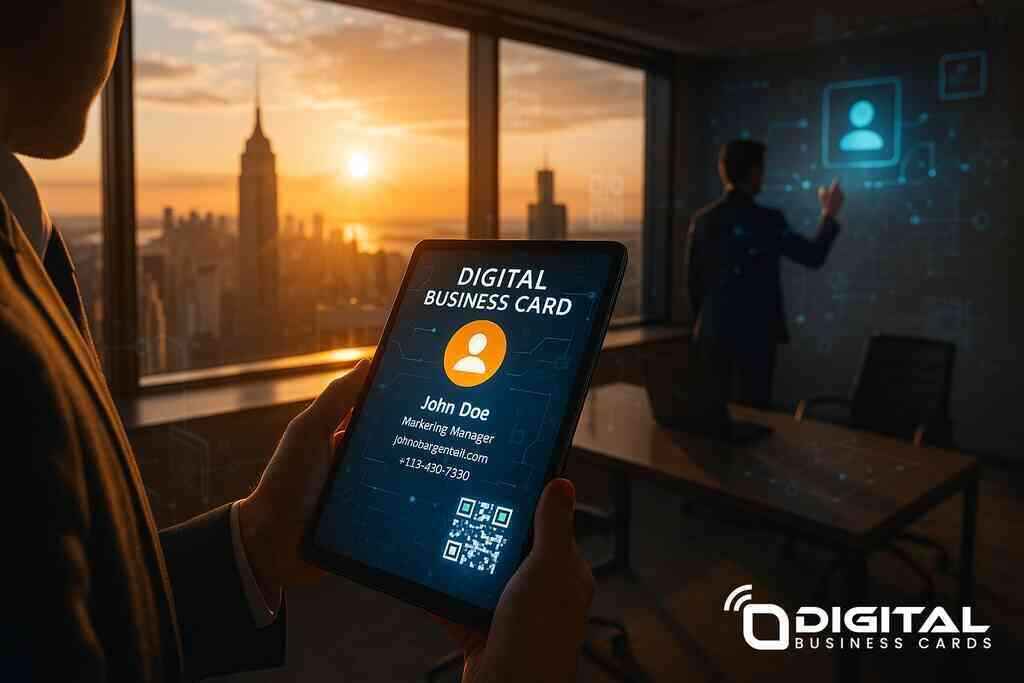
Unveiling the Networking Revolution
The Shift from Paper to Pixels
As sustainability and efficiency take center stage in professional life, the shift from traditional paper to digital platforms has fundamentally changed how people network. The rise of digital business card solutions reflects this transformation, offering a seamless integration of professional identity with technology. This digital shift simplifies the way we exchange information and significantly reduces costs associated with printing and reprinting physical cards. By embracing a digital-first approach, businesses and individuals are paving the way for more efficient and eco-friendly networking.
Embracing Digital Identity Exchange
Digital identity exchange has grown substantially, giving professionals the ability to share their information with ease and precision. With the advent of digital business cards, exchanging contact details is now instantaneous and frictionless. This approach offers a clear advantage over traditional methods, which often lead to delays and potential errors. Digital cards can also be customized and updated in real time, ensuring that your professional connections always have your most current details.
The Rise of Seamless Contact Sharing
Seamless contact sharing is now a reality thanks to digital solutions. Using efficient contact-sharing methods like QR codes, professionals can maintain their networks reliably and consistently. This new approach to networking eliminates the cumbersome aspects of traditional card exchanges, streamlining the process while making contact exchange more sustainable and cost-effective.
1) The Cost-Effective Power of QR Code Business Cards
Understanding QR Code Dynamics
QR codes have become a staple in digital networking, offering a dynamic way to share contact information quickly. They serve as a bridge to the digital world, enabling smooth transitions from physical exchanges to digital interactions. One key reason QR codes are so cost-effective is that they eliminate the need for constant updates to physical cards – a simple change in the digital space keeps your contact details current and accessible.
How QR Codes Enhance Networking Efficiency
QR codes enhance networking efficiency by providing instant access to a digital business card with a simple scan. This ease of use accelerates the networking process, cutting down on time typically spent manually exchanging and storing contact details. Integrating QR codes into paperless business cards means professionals can connect without the hassle of carrying paper cards, reducing physical waste and associated costs. For a deeper look at how these technologies compare, see this guide on QR versus NFC digital business cards for NYC professionals.
Case Studies: QR Code Success Stories
Numerous businesses have adopted QR code technology with remarkable results, demonstrating the tangible benefits of this digital tool. Companies on Long Island, for example, have significantly reduced their networking costs and expanded their outreach by switching to QR codes. These real-world examples make clear that adopting digital business cards not only simplifies operations but also improves business efficiency and connectivity.
2) Exploring Virtual Business Card Design Innovations
Trends in Digital Business Card Design
Digital business card design continues to evolve, with trends focusing on personalization and functionality. Modern designs incorporate aesthetic elements that reflect professional branding while maintaining a user-friendly interface. Advances in virtual card design have produced interactive and engaging digital cards that capture the attention of potential clients and partners effectively.
Customizing Your Digital Identity
Customization is central to building a strong digital identity, and digital business cards offer a versatile platform for that expression. Professionals can tailor their cards to reflect their personal brand, integrating elements such as logos, social media links, and videos. This custom digital identity sets individuals apart and reinforces their professional image. For inspiration on what makes a card stand out, explore the core elements of digital business card design on Long Island.
Tools for Creating Stunning Virtual Cards
The digital era has produced innovative tools designed to help professionals craft visually compelling digital business cards. These tools are user-friendly and offer a range of templates that can be customized to fit specific branding requirements. By using these resources, professionals can create cards that capture attention while conveying their contact information clearly and effectively.
3) Eco-Friendly Networking with Sustainable Practices
The Environmental Impact of Paperless Networking
Switching to digital business cards significantly reduces the ecological footprint associated with traditional paper cards. The environmental benefits are substantial: paperless networking conserves resources and cuts emissions generated during the manufacturing and distribution of physical cards. This shift to sustainable practices reflects a growing awareness of and responsibility toward protecting our planet.
Sustainable Networking Strategies
Adopting sustainable networking strategies has become increasingly important as ecological considerations move to the forefront of business decision-making. Digital business cards align with eco-friendly principles by providing a solution that reduces environmental impact without sacrificing functionality. By choosing digital, businesses position themselves as responsible leaders, earning the trust and respect of eco-conscious partners and clients. Resources like this guide to carbon-neutral digital business cards offer practical steps for making the transition.
Digital Business Cards as Eco-Warriors
Digital business cards champion sustainability in the business world. Their widespread adoption demonstrates a genuine commitment to eco-friendly networking that does not compromise on functionality or effectiveness. By leading this shift, digital business cards show how innovation and sustainability can work together, creating a powerful synergy that benefits both the business community and the environment.
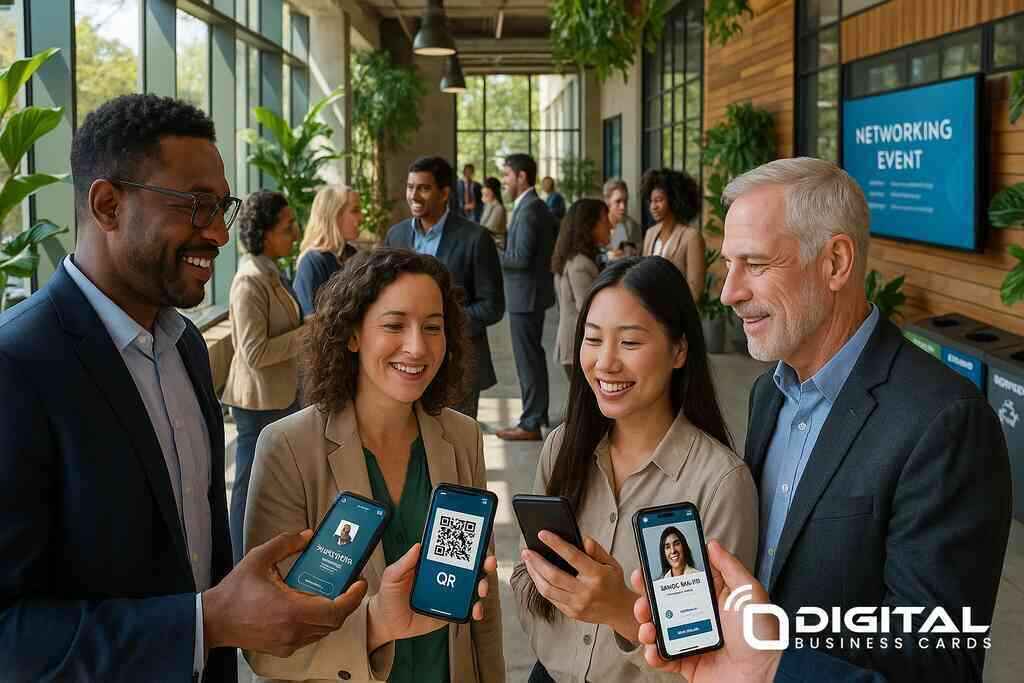
4) Enhancing Networking Efficiency with Online Tools
The Role of Digital Contact Management
Effective contact management is essential for meaningful professional networking. Digital contact management tools streamline the process of storing and organizing professional connections, ensuring that information is readily available when needed. These tools enhance networking efficiency by automating tasks that were once time-consuming, freeing up time for more strategic work. Pairing these tools with a CRM integration strategy can further extend their value.
Streamlining Networking with Smart Solutions
Smart solutions play a pivotal role in simplifying networking efforts. By using technology, businesses can automate follow-ups, track interactions, and manage leads more effectively. These capabilities transform digital business cards into powerful networking tools that drive productivity and enable seamless interactions, all while cutting the traditional costs associated with networking.
Leveraging Technology for Cost Savings
Technology delivers meaningful cost savings across the entire networking process. By implementing digital business cards and associated tools, businesses can significantly reduce expenses tied to printing, distributing, and updating physical cards. These savings matter in a competitive market where efficiency and innovation are essential for maintaining an edge. Embracing digital networking solutions ensures that businesses remain agile and responsive to changing market demands.
5) Innovative Networking Strategies for the Modern Era
Adapting to Digital Networking Trends
Staying current with digital networking trends is essential for remaining relevant in today’s fast-moving business environment. The rise of digital business cards reflects this evolution, offering a streamlined and effective way to connect. By keeping pace with these developments, businesses can strengthen their outreach and maintain solid professional relationships.
The Future of Contactless Networking
Contactless networking is not just a passing trend – it represents the direction professional interactions are heading. Digital business cards have made contactless connections practical and reliable, reducing the need for physical exchanges while keeping interactions efficient and effective. This shift enhances both safety and convenience, reflecting how modern businesses adapt to technological change.
Empowering Connections with Modern Tools
Modern networking tools give professionals new ways to build and maintain connections that were not possible before. By using digital business cards, professionals can apply current technology to strengthen their networking efforts. These tools provide real support in managing contacts, automating follow-ups, and nurturing professional relationships over time.
The Future is Digital
Predictions for Networking Technology Advancements
The future of networking technology holds significant promise, with advancements set to reshape how professionals connect and collaborate. Digital business cards will be at the forefront of these changes, incorporating new technologies to offer richer, more interactive experiences. These developments will further streamline networking, improve efficiency, and support deeper professional relationships. Stay ahead of what’s coming by exploring future tech trends in digital business cards for 2026.
How Digital Business Cards Will Shape Tomorrow’s Networking
Digital business cards are set to play a central role in the future of networking. As businesses prioritize sustainability and efficiency, these cards will facilitate seamless interactions in a paperless environment. By providing versatile solutions tailored to modern networking needs, digital business cards will shape how connections are formed and maintained, making them indispensable tools in professional life.
Final Thoughts on Networking Cost Reduction
Digital business cards represent a significant step forward in reducing networking costs while improving overall efficiency and effectiveness. As professionals continue to adopt digital solutions, the potential of these tools to reshape networking practices becomes increasingly clear. For those looking to optimize their networking strategies, investing in digital business cards is a smart move toward future-proofing their professional endeavors. By adopting these solutions, businesses can achieve meaningful cost savings, build stronger professional relationships, and take a real step toward more sustainable practices.
Frequently Asked Questions
Question: How do digital business cards ensure networking cost reduction as discussed in the blog post Top 5 Ways Digital Business Cards Reduce Networking Costs?
Answer: Digital business cards significantly reduce networking costs by eliminating the need for physical materials and frequent reprints. By adopting paperless networking solutions such as QR code business cards, businesses save on printing expenses and reduce waste. Additionally, the ability to update your contact details in real time without replacing cards further contributes to cost savings. These electronic business cards enhance networking efficiency by providing seamless contact exchange options, making them a vital tool in reducing overall networking expenses.
Question: What are the eco-friendly benefits of using digital business cards compared to traditional paper cards?
Answer: Digital business cards offer significant eco-friendly benefits over traditional paper cards. By opting for digital identity exchange, businesses minimize paper use and contribute to the conservation of natural resources, aligning with sustainable networking practices. This shift reduces the carbon footprint associated with the production and distribution of physical cards. Moreover, adopting electronic business cards promotes eco-conscious branding, positioning businesses as leaders in sustainable innovation. By choosing digital, you are not only reducing networking costs but also supporting environmental conservation.
Question: Can you provide examples of how QR code business cards enhance networking efficiency?
Answer: QR code business cards are a hallmark of modern networking strategies that enhance efficiency. They enable instant access to your digital business card through a simple scan, eliminating the need for manual entry or carrying multiple paper cards. The use of QR codes facilitates seamless contact sharing, speeding up the networking process and reducing errors. This method also supports digital contact management, where all connections are organized digitally, making follow-ups and interactions more streamlined.
Question: In what ways do virtual business card design innovations support brand personalization?
Answer: Virtual business card designs are central to digital branding tools, offering extensive customization options to reflect personal or corporate brand identity. Digital business cards allow for the integration of engaging elements such as logos, social media links, and multimedia content, providing a dynamic representation of your brand. These innovations capture attention and ensure your business card design remains aligned with current trends, enhancing your professional image in the marketplace.
Question: How do digital business cards facilitate contactless networking in today’s business environment?
Answer: Digital business cards facilitate contactless networking by providing an advanced platform for sharing contact information without physical interaction. With QR code functionality and online networking tools, professionals can exchange details effortlessly, maintaining safety and convenience. This approach aligns with modern networking tools, ensuring connections are formed and maintained efficiently while adapting to evolving business practices. This flexibility ensures businesses remain responsive, especially in environments where health and efficiency are priorities.