
The Networking Paradigm Shift Redefining First Impressions
The landscape of professional networking is undergoing a profound transformation, fundamentally altering how we make and manage first impressions. Traditional methods are being eclipsed by agile, intelligent tools designed for the speed of modern interaction. This shift moves us from passive online directories to active, instantaneous connection engines. Professionals now demand tools that not only store their information but also dynamically present it in contextually relevant ways. Consequently, the race is on to provide the most seamless and memorable introduction in an increasingly crowded digital space. This evolution marks a decisive move from static representation to interactive engagement as the gold standard.
Beyond the Static Profile: The Rise of Dynamic Contact Details
Static online profiles, like those on major platforms, often become digital graveyards for outdated information and missed opportunities. In contrast, modern networking tools champion dynamic contact details that live and breathe with your career progression. A sophisticated digital business card acts as a living document, instantly reflecting a new job title, phone number, or portfolio link the moment you update it. This dynamism ensures your professional identity is always current, eliminating the friction and embarrassment of sharing obsolete data. Furthermore, these tools allow for rich media integration, turning a simple contact exchange into an immersive brand experience. Ultimately, this capability transforms every interaction into a potent touchpoint that accurately represents your evolving professional narrative.
The limitations of a platform-centric profile are stark when you need to share specific contact methods for different contexts. Dynamic details empower you to curate what information is shared and when, providing unparalleled control over your professional persona. For instance, you can showcase a direct office line at a formal conference while highlighting a Calendly link for a virtual meet-up. This flexibility is a cornerstone of effective digital networking strategies that prioritize relevance and intent. By leveraging a tool built for this purpose, you ensure your first impression is not only polished but also perfectly tailored. This strategic approach to information sharing is redefining professionalism in the digital age.
From Searchable Databases to Instant Contact Exchange
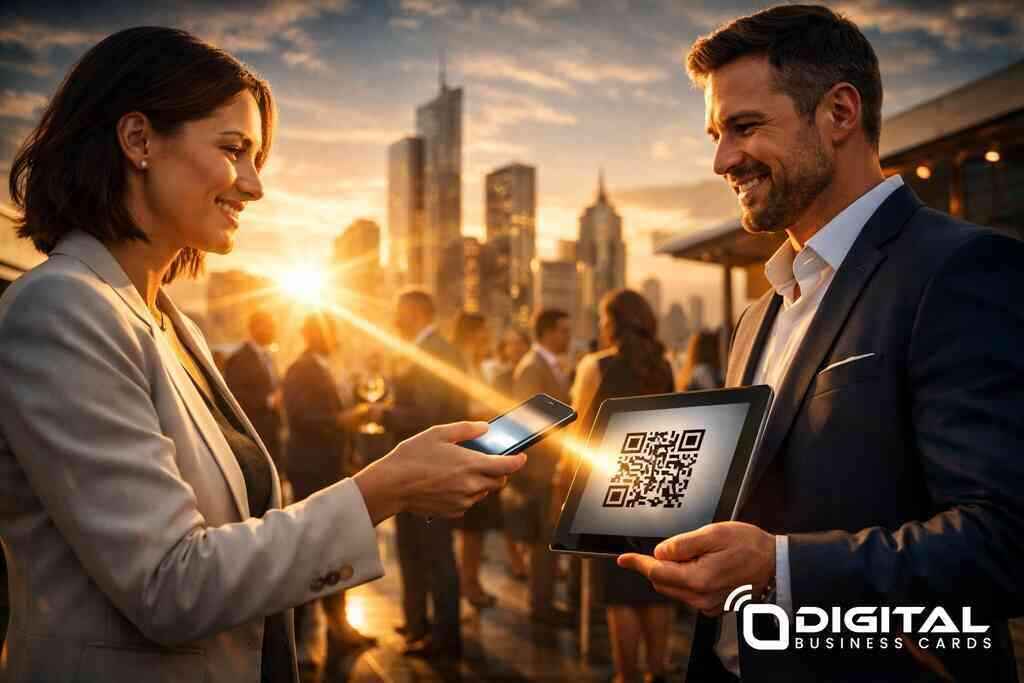
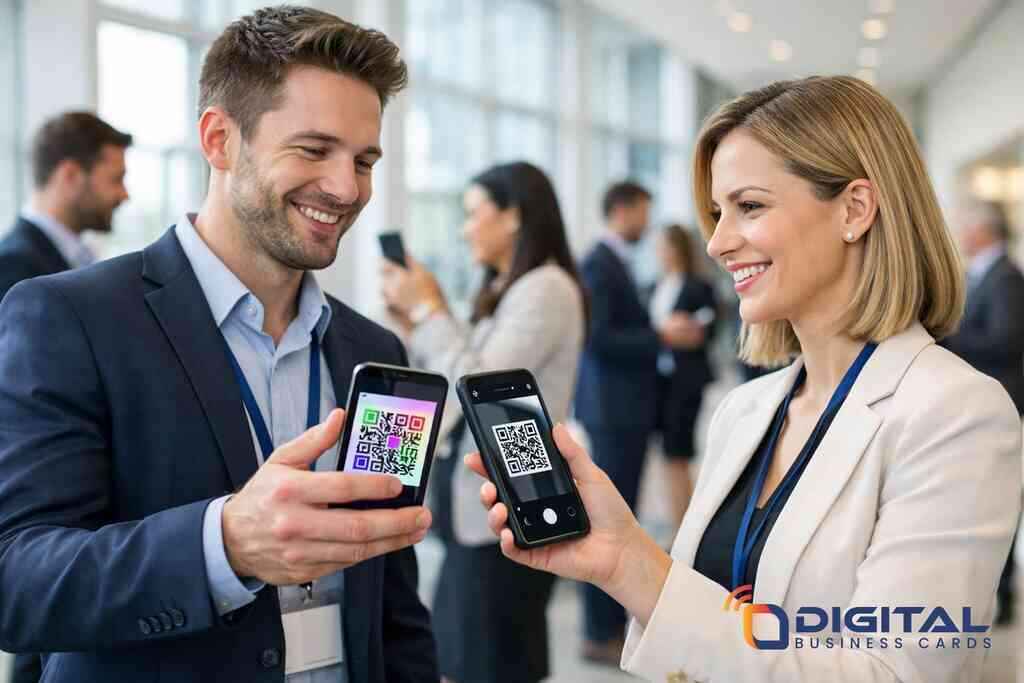
Platforms like LinkedIn function primarily as vast, searchable databases where connections are often tentative and require manual follow-up. The modern professional, however, operates in a realm valuing immediacy and reduced friction above all else. The new paradigm is instant contact exchange, facilitated by a simple scan of a QR code business card or a tap of an NFC chip. This action seamlessly transfers accurate, vetted contact information directly into the recipient’s phone contacts, bypassing tedious typing and data entry errors. This shift represents a monumental leap in networking efficiency, turning a minutes-long process into a one-second gesture.
This immediacy is more than a convenience; it is a critical competitive advantage in fast-paced environments like trade shows or networking mixers. While someone is fumbling to type a LinkedIn URL, you have already exchanged robust contact information and moved the conversation forward. The psychological impact of this smooth exchange cannot be overstated, as it positions you as technologically adept and respectful of others’ time. This method of seamless contact sharing effectively bridges the online and offline worlds, creating a cohesive networking journey. Therefore, the tool that provides the fastest path from introduction to saved contact wins in fostering meaningful engagement.
The Psychology of Accessibility in Modern Networking Tools
Networking accessibility is a powerful psychological driver in human interaction and decision-making. When your contact information is effortlessly obtainable, you subcommunicate confidence, openness, and a forward-thinking mindset. Modern professionals perceive easy accessibility as a sign of professionalism and respect, reducing the social friction inherent in asking for contact details. Tools that prioritize this, such as intuitive digital business cards, leverage the principle of reducing barriers to connection. This approach directly contrasts with the often-gated experience of navigating a complex social profile to find a specific email address or phone number.
The psychology of accessibility also taps into the recipient’s desire for convenience and control. By offering a QR code or a short link, you grant them the autonomy to choose when and how to save your details, using their preferred channel. This empowered choice fosters a more positive and memorable interaction than a mandatory platform connection request. Furthermore, in an era of contactless networking, providing a hygienic, touch-free method of exchange is both a practical and considerate choice. Ultimately, smart networking solutions understand that the easier you are to contact, the more likely you are to be contacted, turning accessibility into opportunity.
Architecting Your Professional Ecosystem: Core Functions Compared
Building a resilient professional network requires intentional architecture, choosing tools that serve as solid foundations rather than temporary scaffolds. This involves a critical comparison of core functions between broad social platforms and purpose-built connection tools. Each element of your ecosystem must work in concert to support your growth, lead generation, and relationship management goals. A disjointed set of tools creates friction, data silos, and missed connections, undermining your networking efforts. Therefore, a strategic evaluation of centralized contact profiles, sharing mechanics, and analytics is essential for constructing a high-performance professional presence.
Centralized Contact Profiles vs Platform-Centric Networking
A centralized contact profile is your single source of truth, a master hub for all your professional contact information and assets. This stands in stark contrast to platform-centric networking, where your identity is fragmented across LinkedIn, Twitter, company directories, and email signatures. Centralization, as offered by a dedicated digital business card service, ensures consistency, control, and immediate updatability across every touchpoint. When you change your details, that change propagates everywhere your digital card is shared, eliminating the nightmare of updating dozens of separate profiles. This is a fundamental principle of effective digital footprint management.
Platform-centric models inherently tie your networking efficacy to the platform’s algorithms, design changes, and policies. Your ability to share information is constrained by the platform’s interface and the recipient’s willingness to engage within that walled garden. A centralized profile liberates your data, allowing you to share it via email, text, QR code, or social media on your own terms. This ownership is crucial for professional branding tools, as it ensures your presentation remains uncompromised. For professionals, especially those in client-facing or business development roles, maintaining this sovereign, unified identity is non-negotiable for building trust and clarity.
Multi-Channel Sharing and Seamless Contact Sharing Mechanics
The true test of a networking tool’s utility is its versatility across the myriad channels where professional interactions occur. Multi-channel sharing is the capability to distribute your contact information through any medium-email signature, text message, social bio, physical poster, or even a video conference backdrop. Advanced digital business cards excel here, providing a unique, evergreen link and scannable QR code that work universally. This mechanics of seamless contact sharing ensure you are always prepared, whether the interaction is scheduled or spontaneous, digital or in-person. Consequently, you never miss a connection opportunity due to technical or contextual limitations.
Compare this to the mechanics of connecting on a platform like LinkedIn, which requires both parties to be active users and navigate the specific “Connect” workflow. This process often involves a delayed notification, a generic invitation, and manual profile vetting. The modern alternative is instantaneous: a scan, a tap, and the information is saved. This frictionless exchange is the hallmark of modern networking tools designed for real-world speed. By adopting a tool with robust multi-channel sharing capabilities, you effectively future-proof your networking strategy against shifting platform popularity. You can learn more about the practical application of these mechanics by reviewing how digital business cards work in everyday scenarios.
Networking Data Analytics and Measuring True Networking ROI
One of the most compelling advantages of dedicated digital networking tools is the ability to move beyond vanity metrics to actionable insights. While platforms may show profile views or connection counts, they rarely reveal what happens after the link is shared. Sophisticated networking data analytics provide a clear window into your networking ROI, tracking scans, link clicks, and which contact methods (phone, email, website) people use. This data transforms networking from a vague activity into a measurable business function, allowing you to see which events, campaigns, or shared materials generate the most engagement. You can discover a deeper analysis of these insights in our guide on the top 7 digital business card metrics that prove ROI in 2026.
Understanding these networking engagement metrics allows for precise optimization of your outreach and follow-up strategies. For example, if you see high scan rates but low website clicks from a particular conference, you might adjust your follow-up email message. This level of insight is simply unavailable with traditional paper cards or basic social platform connections. By leveraging conversion tracking, you can directly attribute new leads and clients to specific networking activities, justifying investments and refining your approach. This analytical power turns your networking efforts into a strategic engine for growth, providing a tangible measure of success that goes far beyond a growing connection list.
Real-Time Profile Updates and the Illusion of Currency
In professional networking, perceived currency is as important as actual currency. An outdated profile erodes trust and signals inattention. Many platforms create an illusion of currency; you may update your LinkedIn headline today, but the old PDF resume you emailed last week remains forever stale. Real-time profile updates solve this critical problem by ensuring every instance of your shared digital card instantly reflects the latest information. When you update your central profile, every QR code you’ve ever printed and every link you’ve ever shared automatically points to the current data. This guarantees that anyone, anywhere, accessing your information sees the true, present-day version of your professional self.
This capability is a game-changer for roles with frequent changes, such as promotions, new project launches, or contact number updates. It eliminates the costly waste of discarded paper cards and the reputational risk of distributing obsolete information. The real-time profile update function acts as a force multiplier for your personal branding, ensuring consistency and accuracy at a scale that static tools cannot match. This is not merely a feature but a foundational requirement for professional networking platforms that claim to serve the dynamic nature of modern careers. It provides peace of mind and professional integrity that static profiles or paper cards can never offer.
Strategic Integration for Unparalleled Networking Workflow Optimization
The most powerful professional strategy is not choosing one tool over another, but intelligently integrating them into a cohesive, optimized workflow. The future belongs to professionals who can orchestrate their digital tools to work in harmony, amplifying strengths and mitigating weaknesses. This strategic integration creates a networking workflow optimization that is greater than the sum of its parts, streamlining processes from first impression to nurtured relationship. By thoughtfully combining the broad reach of social platforms with the precision and agility of dedicated tools, you build an unbeatable networking engine. This final analysis explores how to synthesize these elements for maximum impact and sustainability.
Orchestrating Digital Footprint Management Across Platforms
Effective digital footprint management is a conscious act of curation across all platforms where your professional identity resides. The goal is to create a cohesive narrative, using each platform for its strategic strength while anchoring your identity with a centralized, controllable tool. For instance, your LinkedIn profile serves as a detailed career biography and content platform, while your digital business card link in your bio acts as the immediate conversion point for contact. This orchestration guides connections through a deliberate journey: from discovering your profile to effortlessly saving your direct contact details. You can explore specific tactics for this synergy in our resource on merging digital business cards and LinkedIn for networking.
This integrated approach also simplifies maintenance. Instead of logging into multiple dashboards, you update your core details once in your central digital card profile. You then direct traffic from all other platforms-Instagram, Twitter, Facebook, your email signature-back to this hub. This strategy not only ensures consistency but also provides unified analytics on how people move from your various online points of presence to engage with you directly. Mastering this cross-platform networking orchestration is a hallmark of sophisticated personal branding. It turns a scattered online presence into a focused, high-converting professional funnel.
Personalized Networking Links and Mobile-First Networking Strategies
Generic usernames and lengthy URLs are relics of an earlier digital age. Today, personalized networking links (e.g., yourname.digitalcard.com) are essential for memorability, professionalism, and brand alignment. These custom links are a key component of mobile-first networking strategies, designed for easy sharing and recall during fast-paced conversations. When someone hears your name and your simple, branded link, the connection between your identity and your digital presence is reinforced. This personal touch stands out in a sea of generic platform URLs and complex profile addresses, making you easier to find and remember long after the initial meeting.
Mobile-first design is non-negotiable, as the vast majority of contact sharing and receiving happens on smartphones. A tool that isn’t optimized for instant mobile viewing, quick saving to contacts, and integration with mobile communication apps is fundamentally flawed. The best solutions offer one-tap “Save to Contacts” functionality and mobile-responsive design that looks impeccable on any screen. This focus aligns with the on-the-go nature of modern business networking, where opportunities arise unexpectedly. By prioritizing personalized networking links and a flawless mobile experience, you demonstrate an understanding of contemporary professional behavior and remove all technical barriers to connection.
Conversion Tracking from Connection to Meaningful Engagement
Networking success is not measured by connections made, but by conversations started and relationships built. Conversion tracking bridges this gap, providing the data to understand which networking activities lead to meaningful engagement. Advanced digital networking tools track the journey from the initial scan or link click to subsequent actions, such as email opens, phone calls placed, or website contact form submissions. This data illuminates the quality of your connections, helping you identify which events, messaging, or shared materials are most effective at driving valuable follow-up. This insight is critical for refining your lead marketing strategies and focusing your efforts where they yield the highest return.
Without this tracking, networking is a shot in the dark-you may be busy, but you cannot be certain you are effective. By understanding your networking conversion tracking, you can prioritize follow-ups with contacts who engaged deeply with your profile, suggesting a higher level of interest. This transforms your networking from a scattergun approach to a sniper’s rifle, allowing for targeted, personalized follow-up that dramatically increases the likelihood of a productive business outcome. This analytical approach to relationship-building is the cornerstone of modern, data-driven business development. For a detailed breakdown of this value, consider reviewing what is the ROI of switching to digital business cards.
Sustainable Professional Practices and Reducing Physical Clutter
Finally, the strategic integration of digital tools aligns with a growing imperative for sustainable professional practices. The traditional model of printing, reprinting, and discarding paper cards generates significant physical waste and environmental cost. Actively reducing physical clutter by adopting eco-friendly business cards is both a responsible choice and a modern brand statement. It signals to clients and partners that your business values innovation and environmental stewardship. This subtle yet powerful message can resonate deeply in today’s conscious market, differentiating you from competitors still reliant on outdated, wasteful methods.
Beyond environmental benefits, this shift eliminates the logistical hassle and expense of managing physical inventory. You never run out of cards, need emergency reprints for a last-minute error, or carry bulky card holders. Your professional information becomes limitless, editable, and instantly shareable-a cloud-based asset rather than a physical commodity. This transition to sustainable professional practices is a logical step in the evolution of business networking, reducing cost and complexity while enhancing capability and brand perception. The move toward a paperless, dynamic system is not just a trend but a permanent upgrade to a more efficient and intelligent way of connecting.
Frequently Asked Questions
Question: What is the core advantage of using a digital business card from Digital Business Cards over just having a LinkedIn profile for networking?
Answer: The core advantage is moving from a passive, platform-centric networking model to an active, instant contact exchange system. While LinkedIn is a valuable searchable database, it creates friction. Our digital business cards provide seamless contact sharing through a QR code or link, transferring your dynamic contact details directly into someone’s phone contacts in seconds. This represents a massive leap in networking efficiency and creates a powerful, memorable first impression. It ensures your information is always current with real-time profile updates, unlike a static online profile that can become outdated. For a deeper dive into this comparison, you can read our blog post, Digital Business Cards vs LinkedIn for Professional Networking in 2026.
Question: How do digital business cards help with networking data analytics and measuring true networking ROI?
Answer: Unlike traditional methods or social platforms that offer limited vanity metrics, our digital business cards provide powerful networking data analytics. We track scans, link clicks, and which specific contact methods (like your phone, email, or website) people use after viewing your card. This conversion tracking allows you to measure the true ROI of your networking efforts. You can see which events or campaigns generate the most meaningful engagement, allowing you to optimize your networking outreach methods and focus on strategies that drive real professional connection growth.
Question: I attend many in-person events. How does a QR code business card improve my networking workflow compared to paper cards or LinkedIn?
Answer: A QR code business card is the ultimate tool for networking efficiency at in-person events. It enables instant, contactless networking with a simple scan, bypassing the slow process of typing information or sending a LinkedIn request that may be ignored. It aligns with modern networking tools and mobile-first networking strategies, as the recipient instantly saves your centralized contact profile to their smartphone. This not only makes you appear tech-savvy but also supports sustainable professional practices by drastically reducing physical clutter and waste from paper cards.
Question: My contact information changes sometimes. How do digital business cards ensure I never share outdated details?
Answer: This is a key digital business card benefit. With our service, you maintain a single, centralized contact profile. When you update your job title, phone number, or website link in your dashboard, that change is applied in real-time profile updates to every single QR code and sharing link you have ever created. This eliminates the illusion of currency common with paper cards or scattered online profiles. It guarantees flawless contact information management, ensuring every connection gets your current, accurate details, which is fundamental for maintaining a strong professional online presence.
Question: Can I integrate my digital business card with my existing LinkedIn profile and other platforms?
Answer: Absolutely! Strategic integration is key to networking workflow optimization. We recommend orchestrating your digital footprint management by using each platform for its strengths. Place the link to your personalized digital business card in your LinkedIn bio, email signature, and other social profiles. This guides connections from discovering your broad profile to taking immediate action with seamless contact sharing. This cross-platform networking approach uses LinkedIn for discovery and your digital card for conversion, creating a powerful synergy that enhances your overall professional branding tools and outreach effectiveness.